notes on taiwan
i spent the month of july 2025 in taiwan.
surprising things:
-
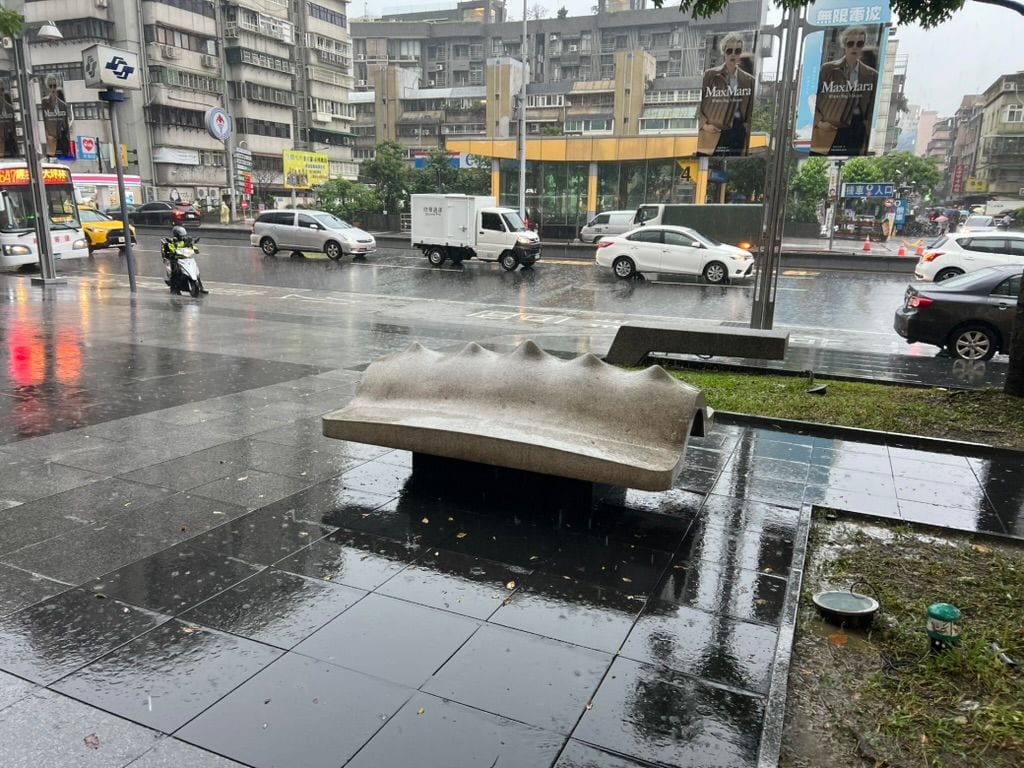
cleanliness (of the ground). the streets are clear of litter, the corners clear of beggars, and even the public transit stations seem to repel dirt.
-
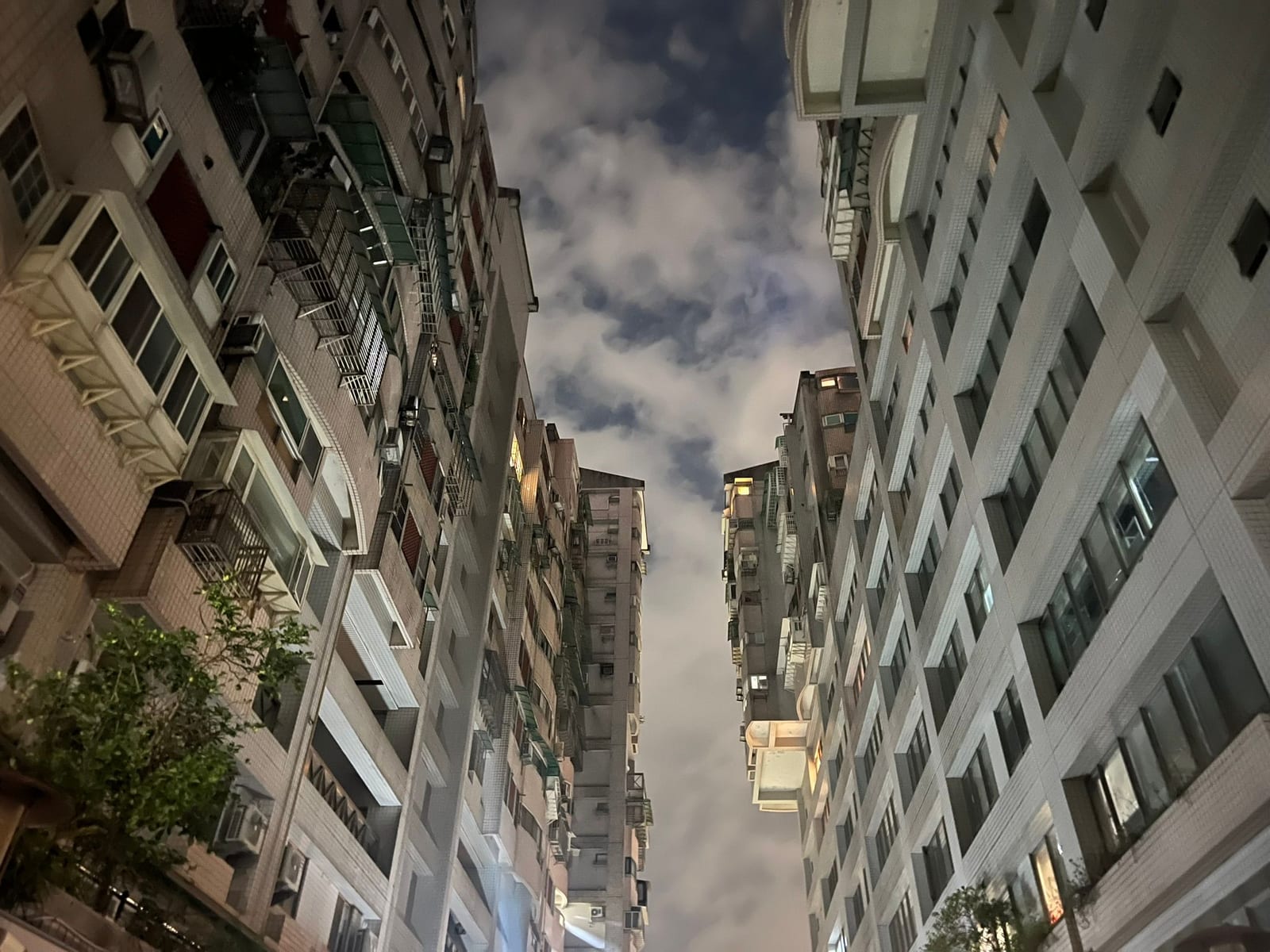
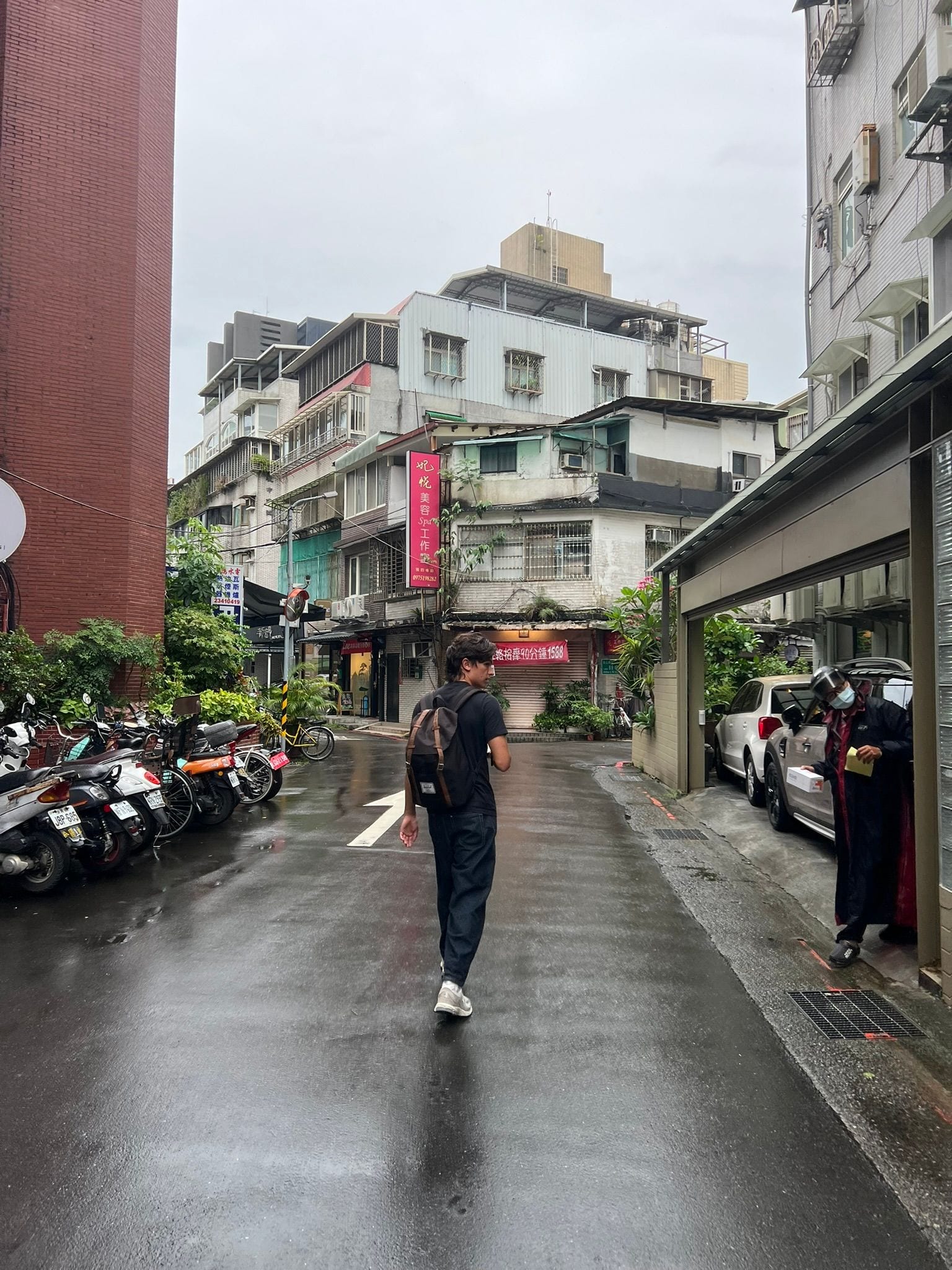
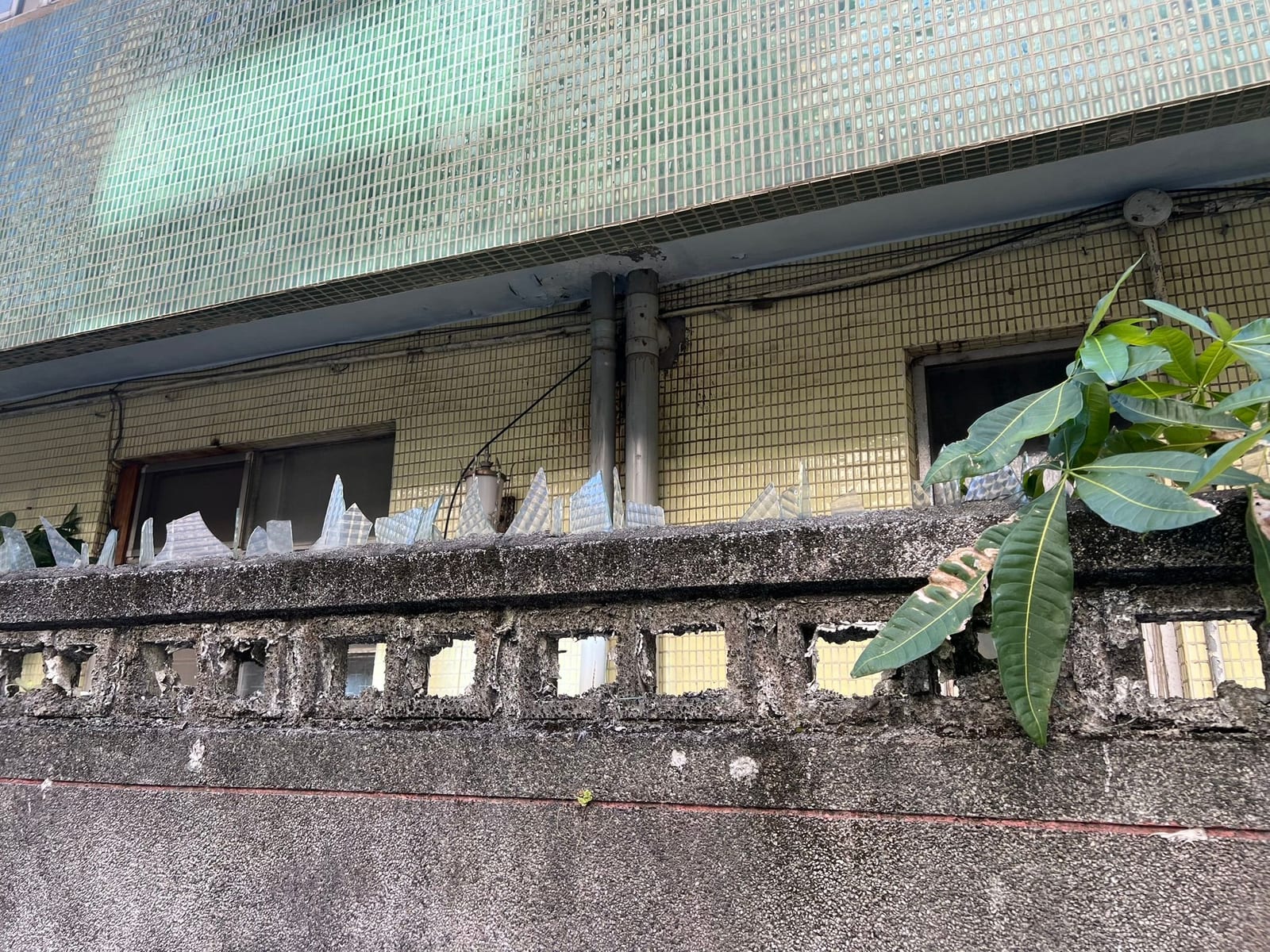
dirtiness (of the exterior of the buildings). the windows have muck, the walls have grime, and everything just looks… bad. even fairly upscale places, like hotels or restaurants, have exteriors matching some of the worst parts of american cities.
-
nobody brings their trash out to the curb for a garbage truck to clear. instead, the garbage truck stops at a designated places and time, plays a jingle — sort of like an american ice cream truck, loudly enough for the whole neighborhood to hear — and the residents of the block will stream out of their homes with all of their trash and dump it into the back of the truck themselves.
[ sound on ]
[A video — watch it on the Notion version of this note]
residents must be home when the trash truck rolls around, which is annoying — but you never see bags of trash on the side of the streets (see e.g. NYC). it also causes neighbors to repeatedly see each other, wait in line for a minute or two, and chat: good for social cohesion. (h/t josh wilkes for commentary here)
-
again on trash. surprisingly, especially given the lack of litter, there are almost no public trash cans — anywhere, not even at convenience stores or restaurants. often, i would need to explicitly ask a store clerk to throw something out for me. everyone is just expected to “keep track of their own trash.”
this caused me to reflect on how powerful norms are causing outcomes, rather than e.g. good public policy. it’s actually quite difficult to get rid of trash on the street in a trash can, and yet peoples’ response is to hold onto it instead of littering. very surprising to me!
(others have pointed out that the cultural norms around trash have caused the lack of trash cans; this makes sense to me.)
-
the convenience stores are excellent. clean, neat, clearly-but-not-harshly lit, mostly open 24/7, with surprisingly wide options — fresh fruit, good sandwiches, tea, etc. you can get rain coats, or t-shirts, or a fan for the heat. you can pay your bills, get packages delivered, or get cash at their ATMs. there’s one on almost every block, typically the chains 7/11 or Family Mart.
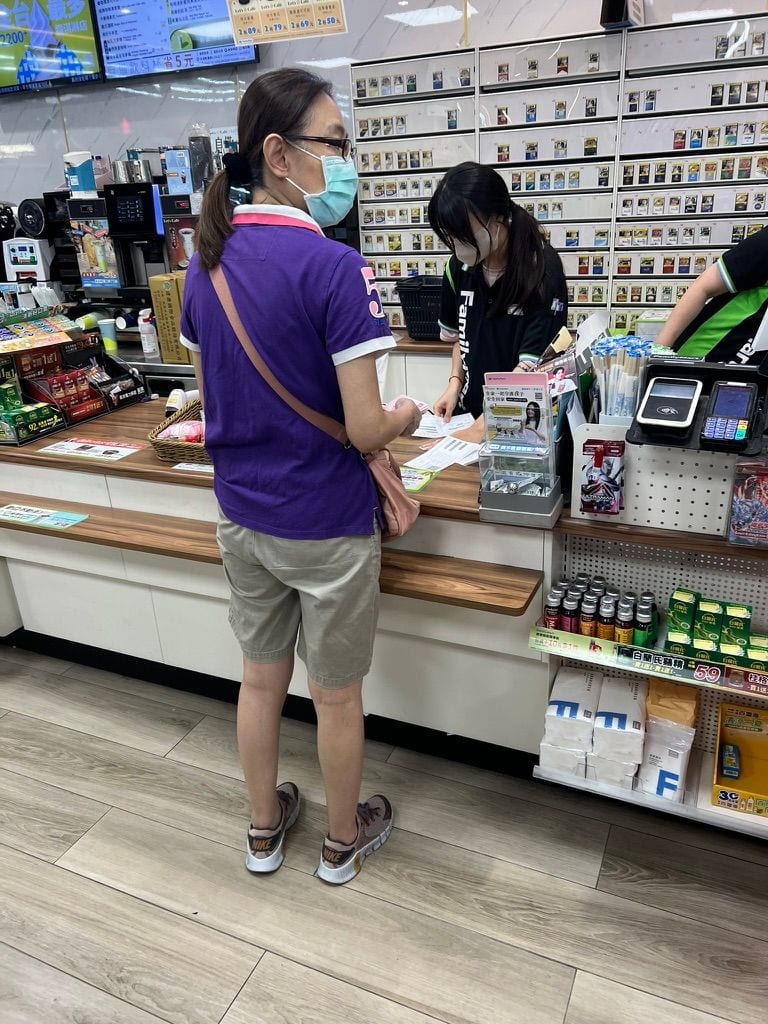
a woman paying her bills at a Family Mart -
the milk is fake.
see this carton, below? the one with a “PROTEIN” label on the front, and the number 5 on the top, half-covered by a sticker that sorta looks like it could be indicating 5%/whole milk? see how at the bottom it even says “I ♥︎ MILK”?
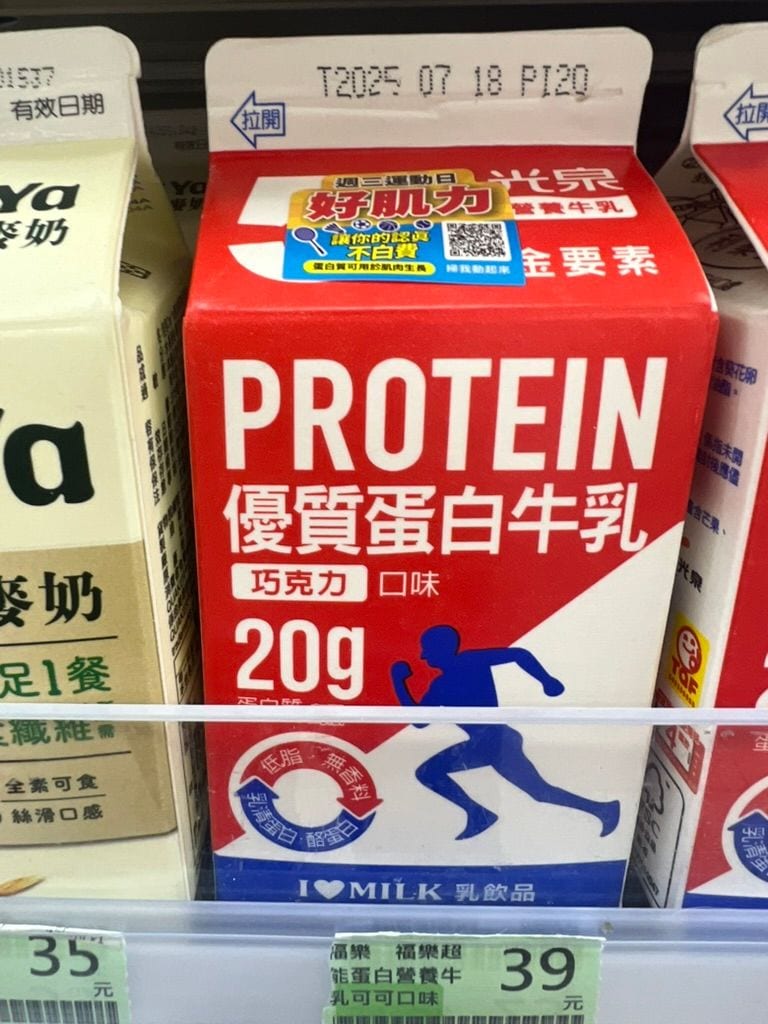
oh, you thought this was milk? not milk! in fact, the majority of items in convenience or grocery stores that look quite a bit like milk are in fact made of
cardboardsome material that’s never seen the inside of a cow’s udder. -
it commonly felt like there were ways that one could ‘get ahead’ by being a dick. the US has systems with more antibodies to dicks-trying-to-get-ahead, so i wasn’t used to noticing how easy it would’ve been to litter, or hop the fences at the MRT, or cut in lines, or even just straightforwardly steal. the decorum of the common man was impressive.
- (…which caused me to reflect on ways that the US might lack useful social tech because any system that operates at scale needs to have robustness to people willing to break social norms.)
- (…and also caused me to realize that my own decorum had commensurately risen. where i might have casually jaywalked in the US, here i waited for the ligh. where i might have jumped a fence, i walked the long way.)
-
the public transit is just so good. the main train system in taipei is a mostly-above-ground set of lines called the MRT:
- trains arrive every couple minutes, so if you miss your train, you don’t have to wait longer than 5 minutes for the next one. that ends up reducing much more stress than i expected, because you’re just never rushing to make your train.
- they’re never late.
- the stations aren’t just kept clean, but also are just generally a joy to use: there are maps in exactly the places there need to be maps; the turnstyles make a joyful little ding when you use them, and burst open quickly when you swipe a card; there are small markings on the ground where the doors of the subway cars will open, indicating where people waiting in the station ought to stand in order to let those on the cars out, and people actually stand in neat little lines following the markings on the ground instead of crowding the openings. the UX is incredible, and obviously built for a people who care about maintaining social fabric.
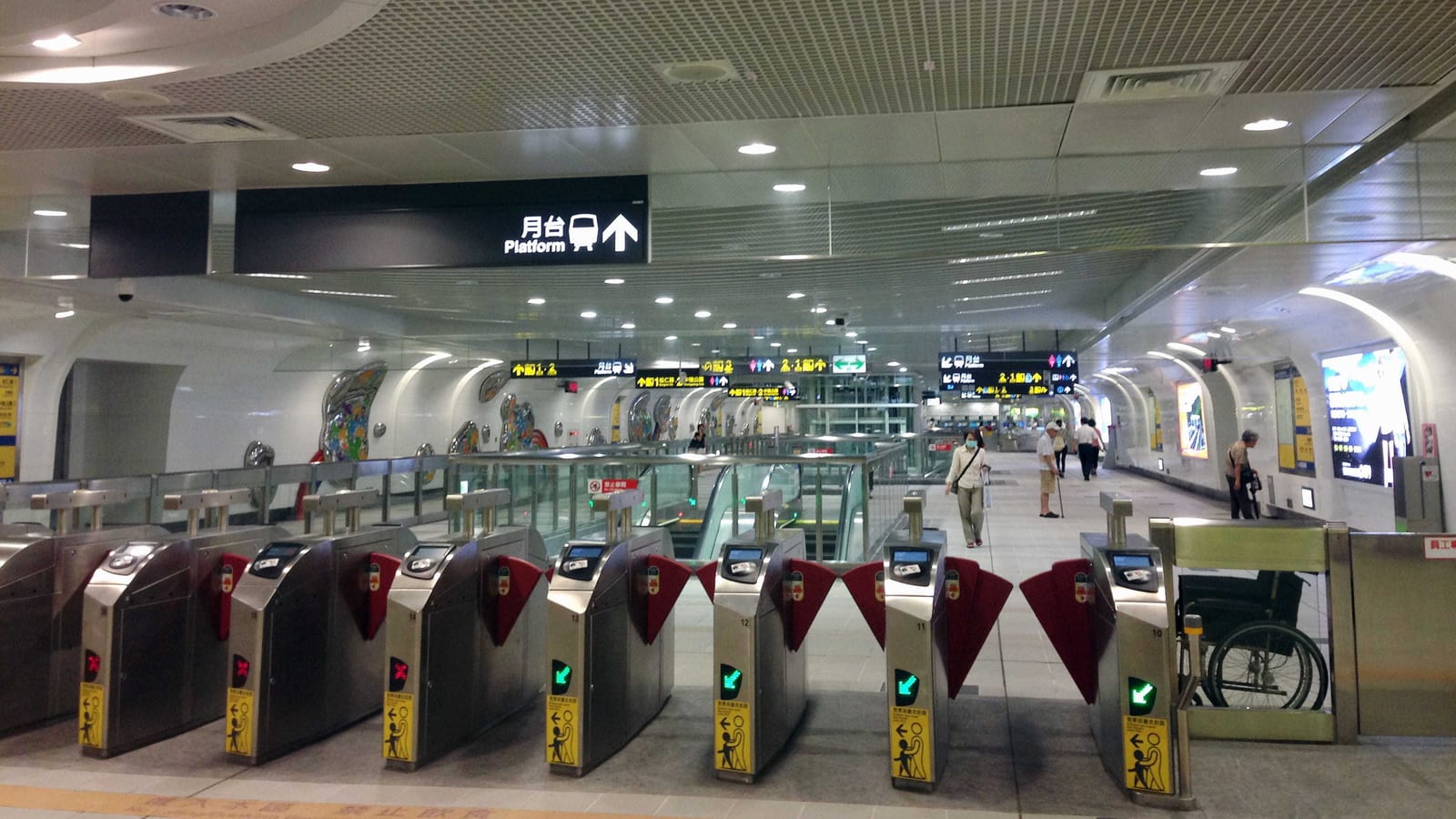
an MRT station entrance (pic not taken by me) - the only thing i found lacking was the signage in the stations. in the US, if you peek from a subway car into the “Main St” station, you’ll see “MAIN ST MAIN ST MAIN ST” plastered everywhere in huge font. in taiwan, there might be one or two small “main st” signs demurely hidden behind a wall. this seems obviously bad to me — riders want to be able to glance outside and instantly know at what stop they are.
- Alethios has a great essay that goes into more depth on the MRT & its design choices.
-
the high-speed rail is exactly what you expect.
-
in some countries — germany, france, mexico — practically everyone speaks english. not in taiwan: the majority won’t speak to you in english. although some know how to speak, they seem embarrassed/uneasy relative to mandarin.
-
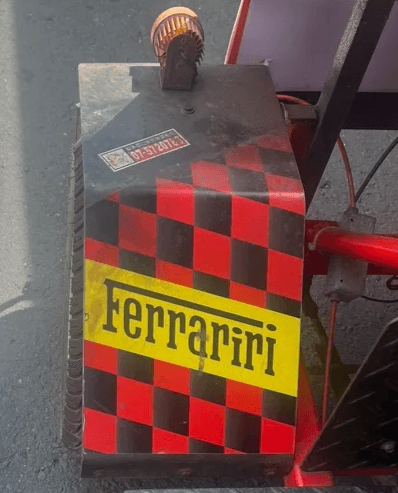
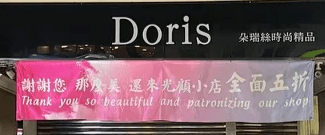
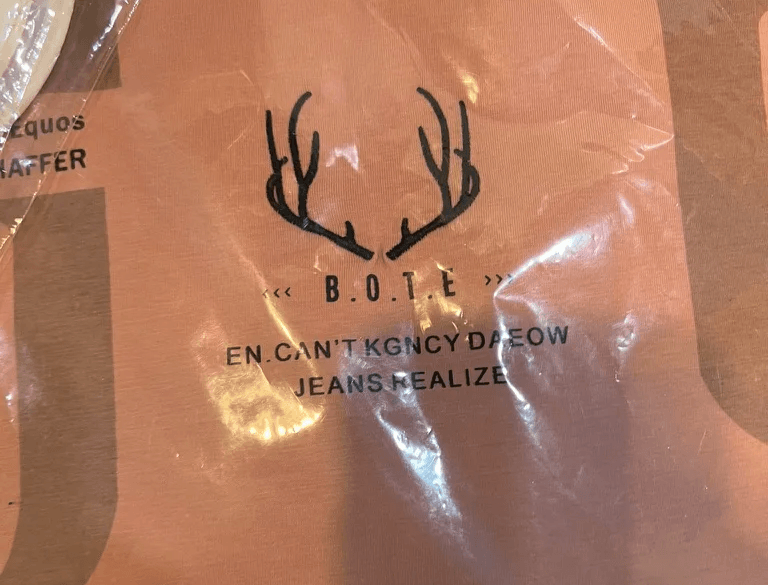
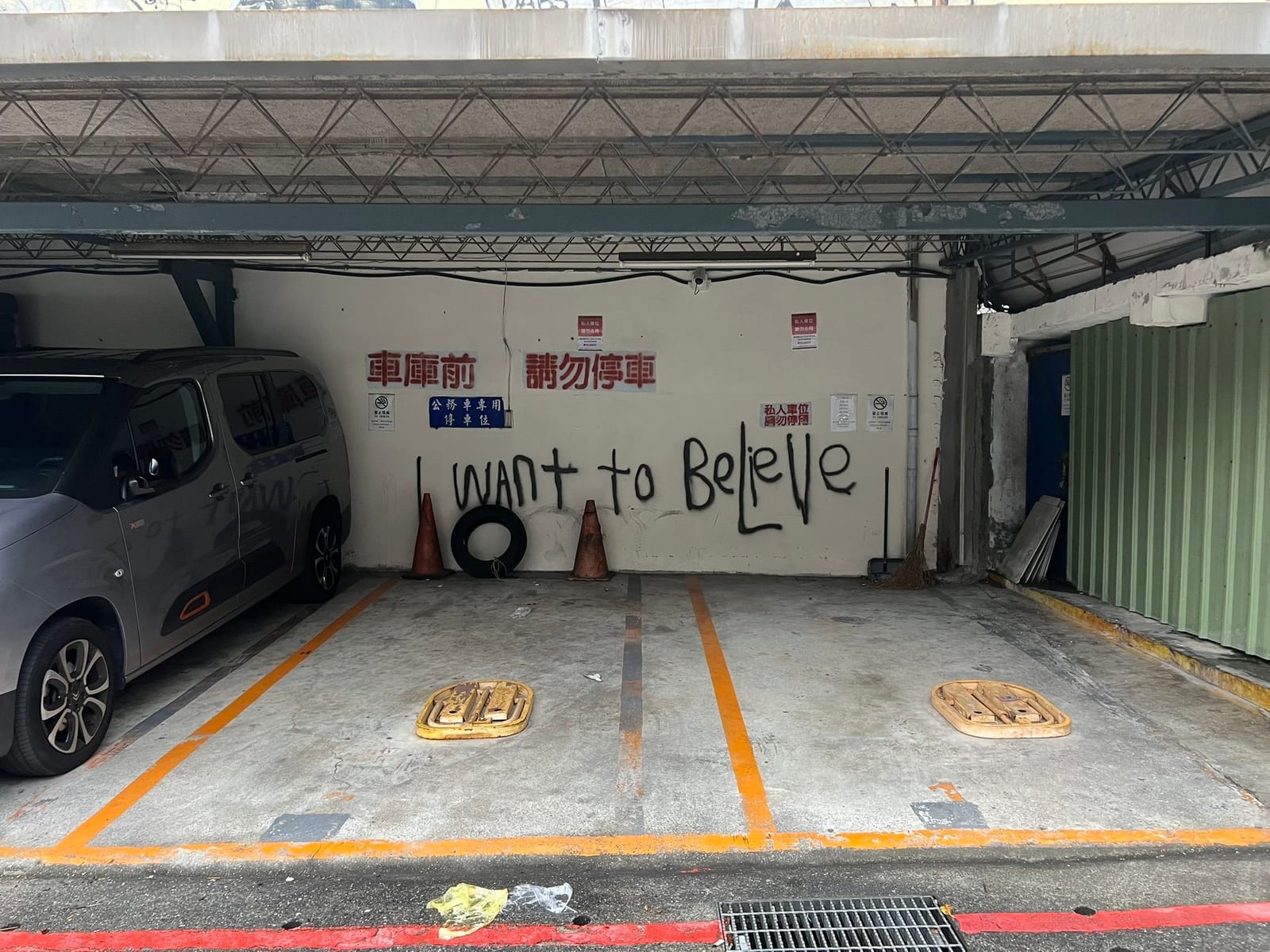
the language change causes some funny confusions. sometimes there will be english writing on store signs, or sweaters, that’s strange (”College Summer”), nonsensical (”Have Beautiful Mind”), or even just total gibberish (”Arshikjh”).
-
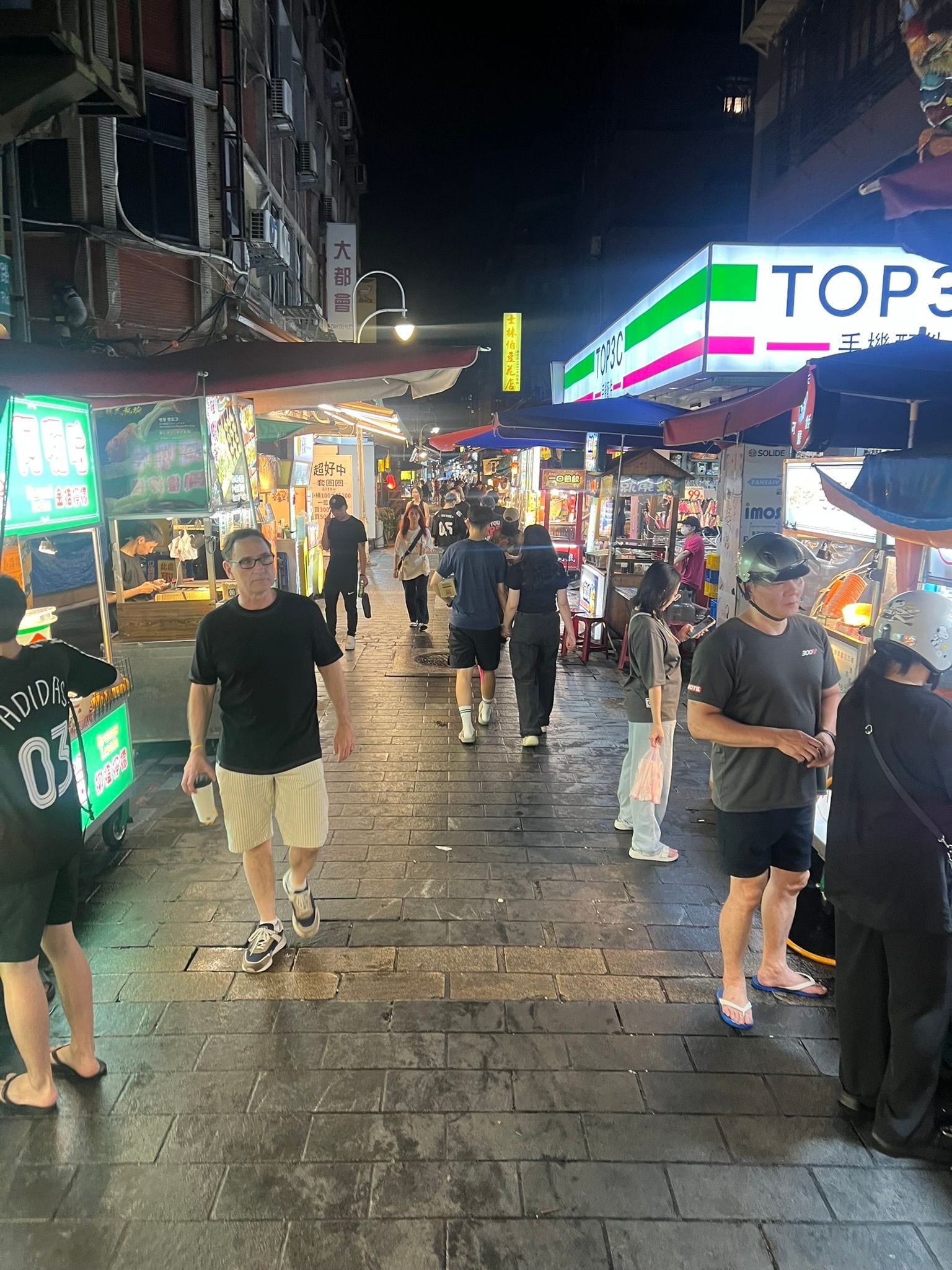
the food is cheap, good, and everywhere. i typically have trouble eating enough, but not in taipei.
-
there’s less racial diversity here than i expected, and i didn’t expect much. in my first week, i saw maybe 20-40 caucasians, and two — two! — black people. i’m sure there was a greater diversity of asian folks than i could pick up on, though.
-
i sometimes got stared at, probably for being a “wàigǔo rén” (foreigner). or maybe for the blue eyes. not frequently — maybe 1/50 people of those who’d glance in my direction on the street would end up staring.
-
i’m 5’10”. the average height in the US is 5’9”; when i hang out with other jews, i’m just a bit taller than average. but here, i’m quite tall. on the public transit, i can consistently see over almost everyone’s head!
-
the stopwalks and traffic lights show timers. when you’re waiting at a redlight, in a car or on foot, you know how long until it’s green.
-
also, the crosswalks last insanely long. many give you a whole minute or two to cross, not just 15 seconds.
-
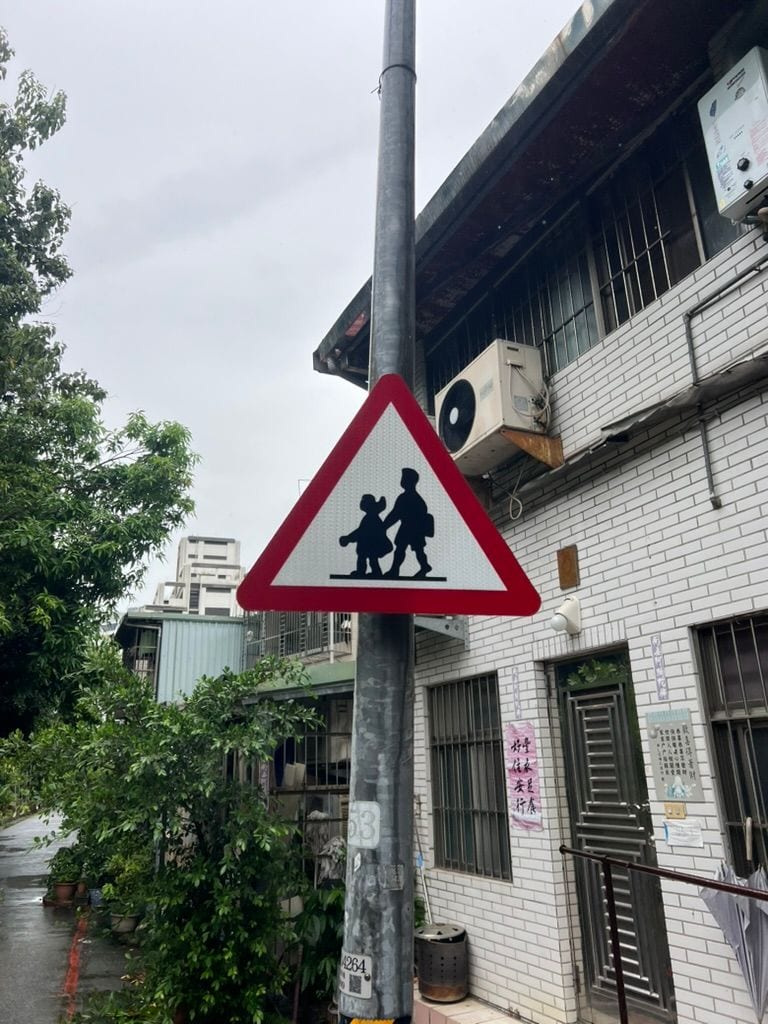
the signage is shockingly detailed — the people crossing a crosswalk might have a hat, boots, and a coat. in the US, all of the details are sanded down to an abstraction of a man, but in taiwan, you can tell that there was a person who made the signage.
-
taiwan is very socially liberal. it was the first country in asia to legalize same-sex marriage, and i’d frequently see gay or lesbian couples holding hands — something which i’m told does not happen at all in mainland china to this day. people broadly seemed fine with whatever.
-
“formosa” is taiwan’s original name. it was given by portuguese sailors marking their maps with “ilha formosa,” or “beautiful island.” the “ilha” eventually got cut, and “formosa” eventually dominated european maps & literature on taiwan (source is this book, via wikipedia). you can see remnants of the name on the island itself: there’s a gas station chain named formosa, and it’s on some trinkets and old signage.
-
the mean restaurant has a lot of vegetarian options, but the median restaurant has almost zero. (put more simply: a substantive minority of restaurants are extremely friendly to vegetarians, but the decent majority are extremely unfriendly. if you’re going out to eat with non-vegetarian friends, you won’t have many options.)
-
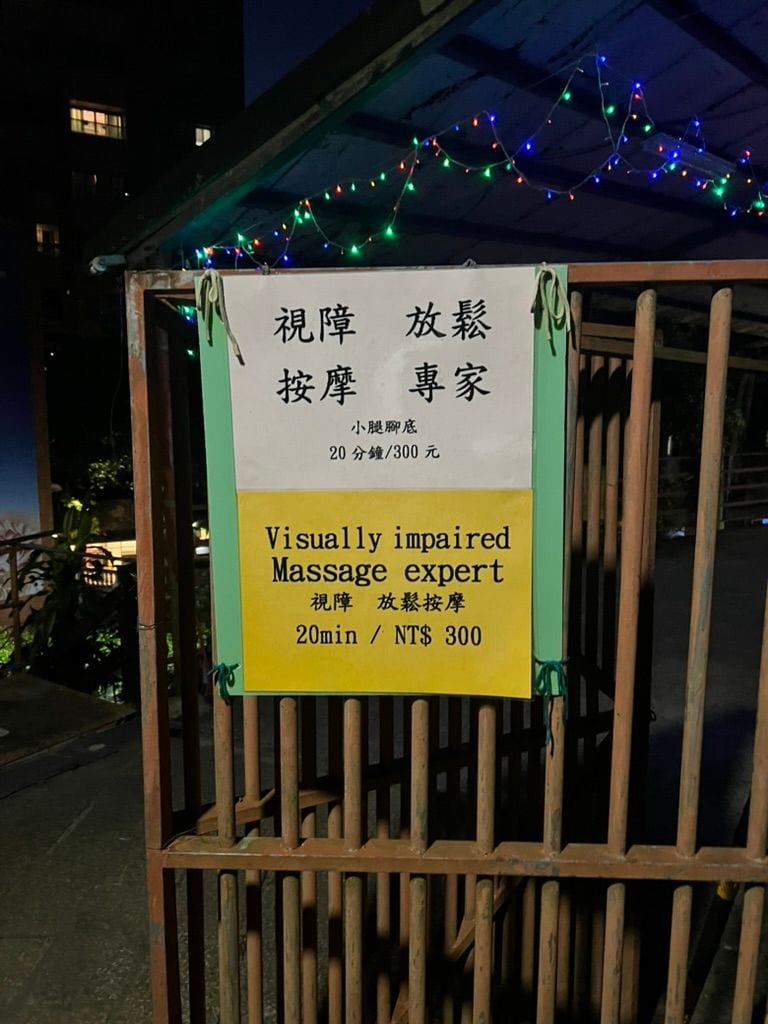
traditionally, the visually impaired would become masseuses or masseurs: it was thought that because they had no sight, their sense of touch was better.
-
when nobody’s using the escalators, they slow way down. then, when someone approaches, the escalators sense the motion and speed back up to normal. my guess is that the aim here is to save power, though it’s not clear to me that this actually ends up saving that much power. it’s also possible this reduces wear/tear.
-
all of the banks close at 3:30pm.
-
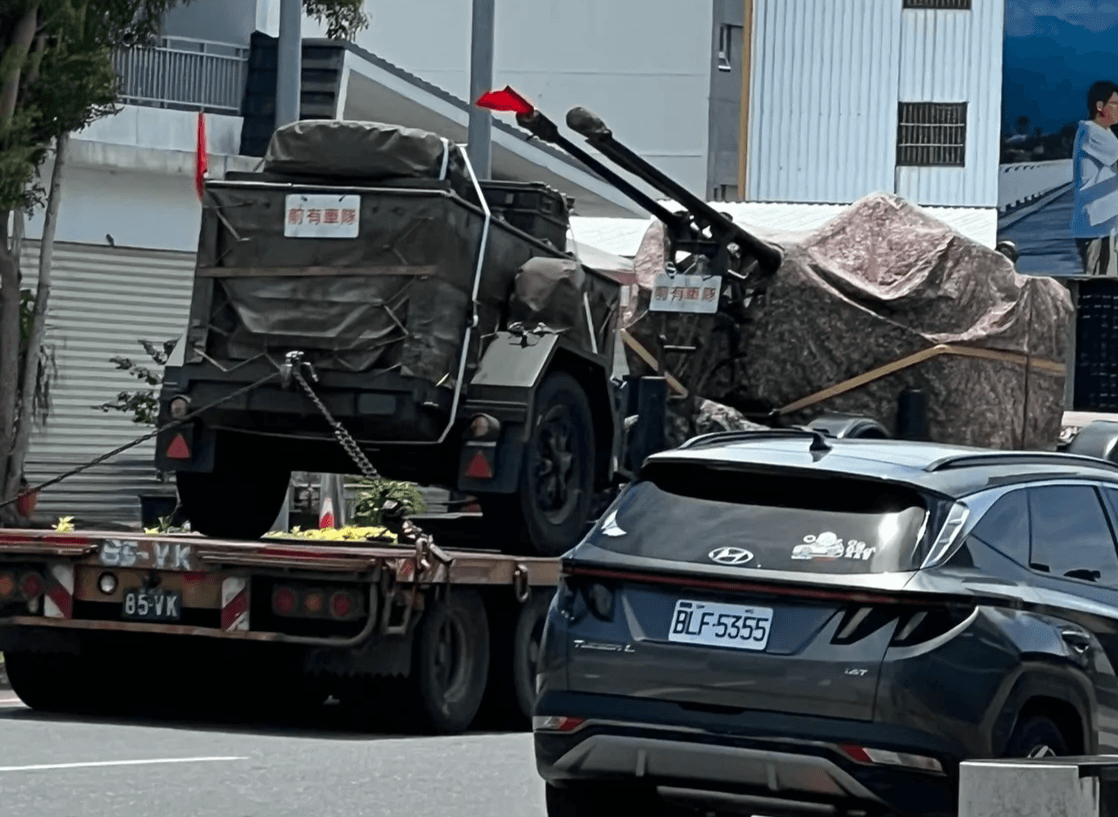
during my month in taipei, taiwan exercised it’s largest ever national missile defense drill.
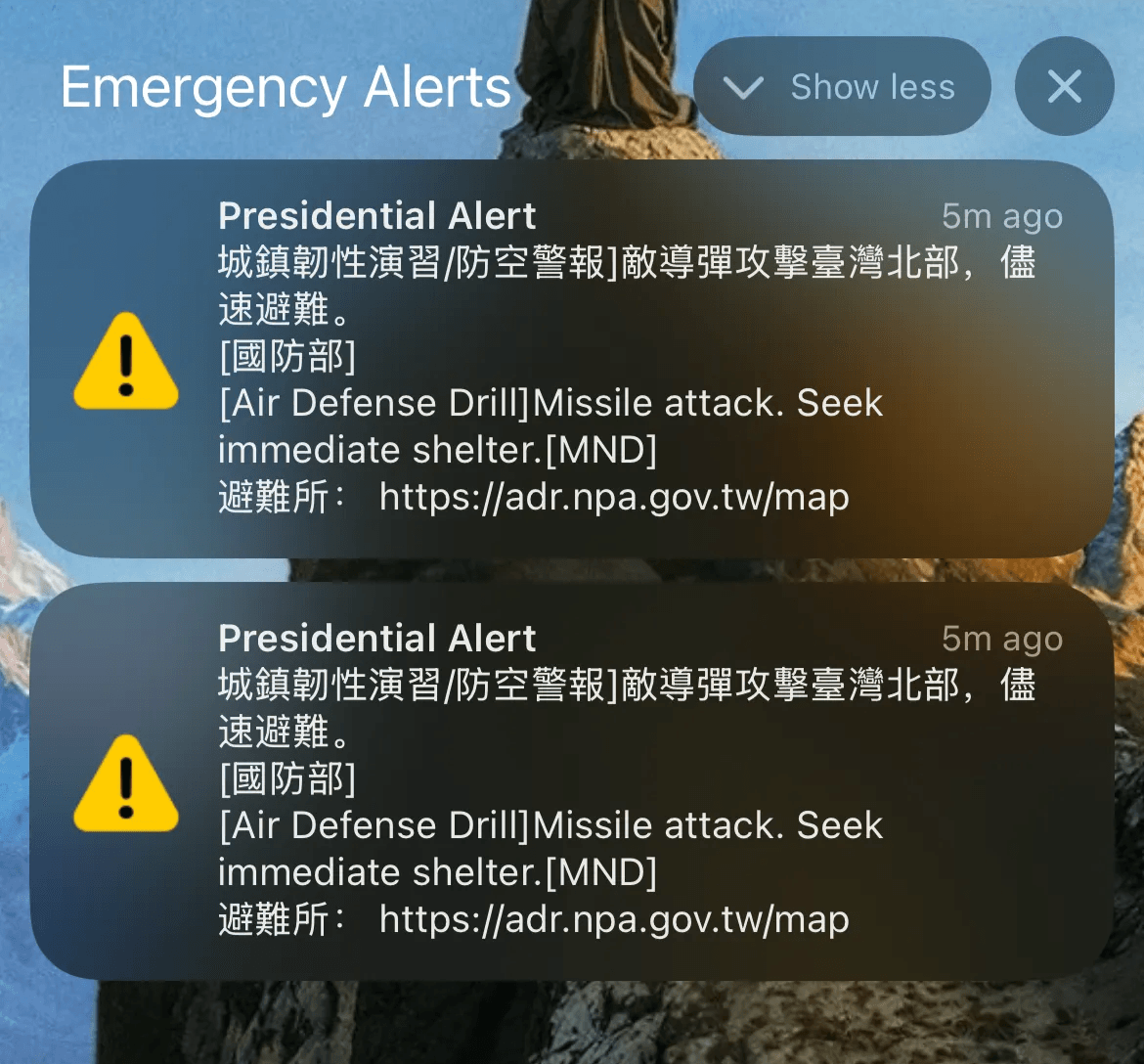
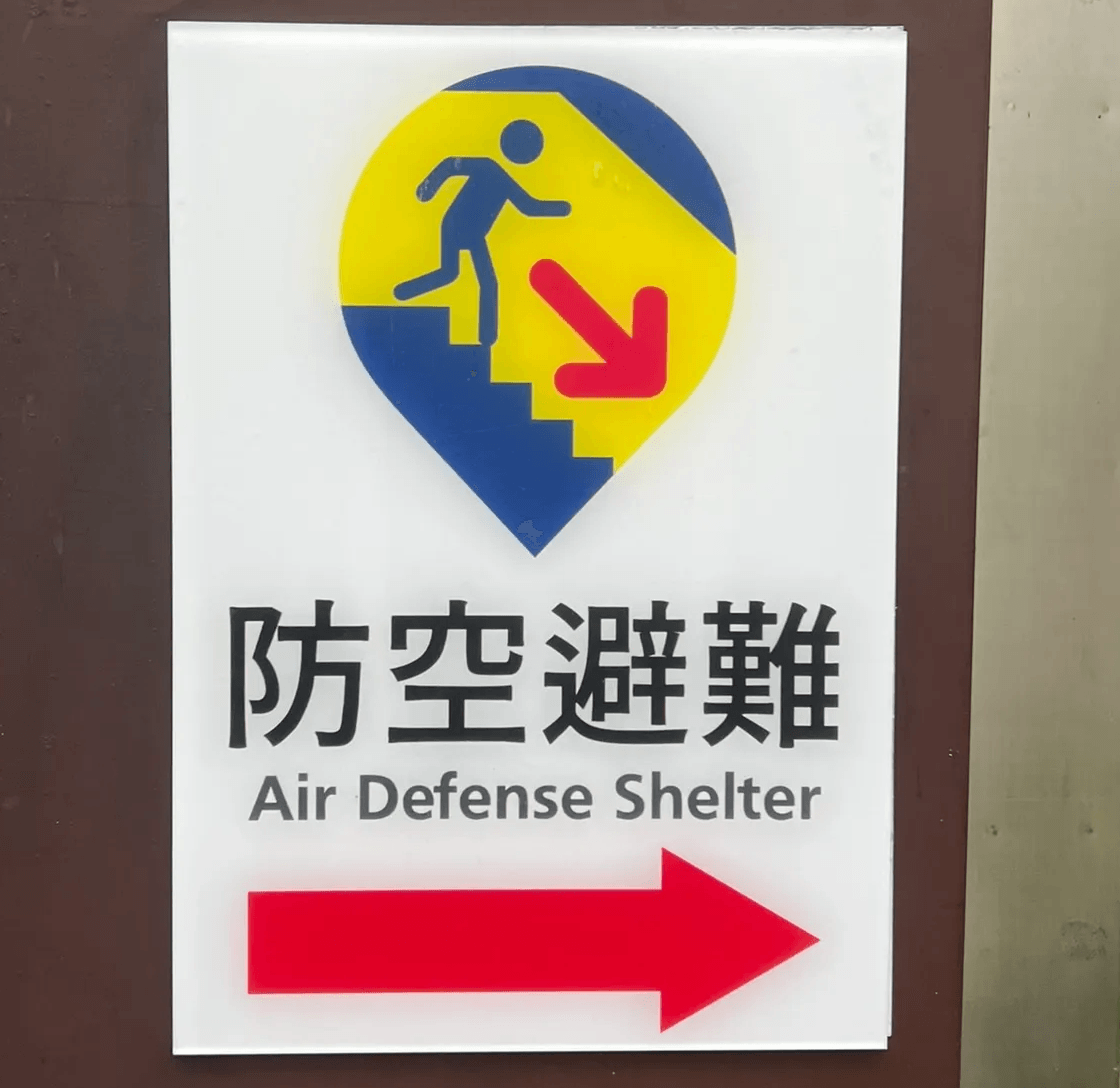
here’s a video i took during the drill after the sirens had stopped:
[ sound on for commentary ]
[A video — watch it on the Notion version of this note]
and here’s is a video at the end of the drill, as a siren indicated that everything was safe, and the world came back to life:
[ sound on to hear the siren ]
[A video — watch it on the Notion version of this note]
the video understates how loud the sirens were: deafening.
-
the japanese food here is really good. my understanding is that this is downstream of japanese colonization of taiwan, which left behind some cultural remnants — including quite a lot of restaurants serving excellent (if expensive) cuisine.
-
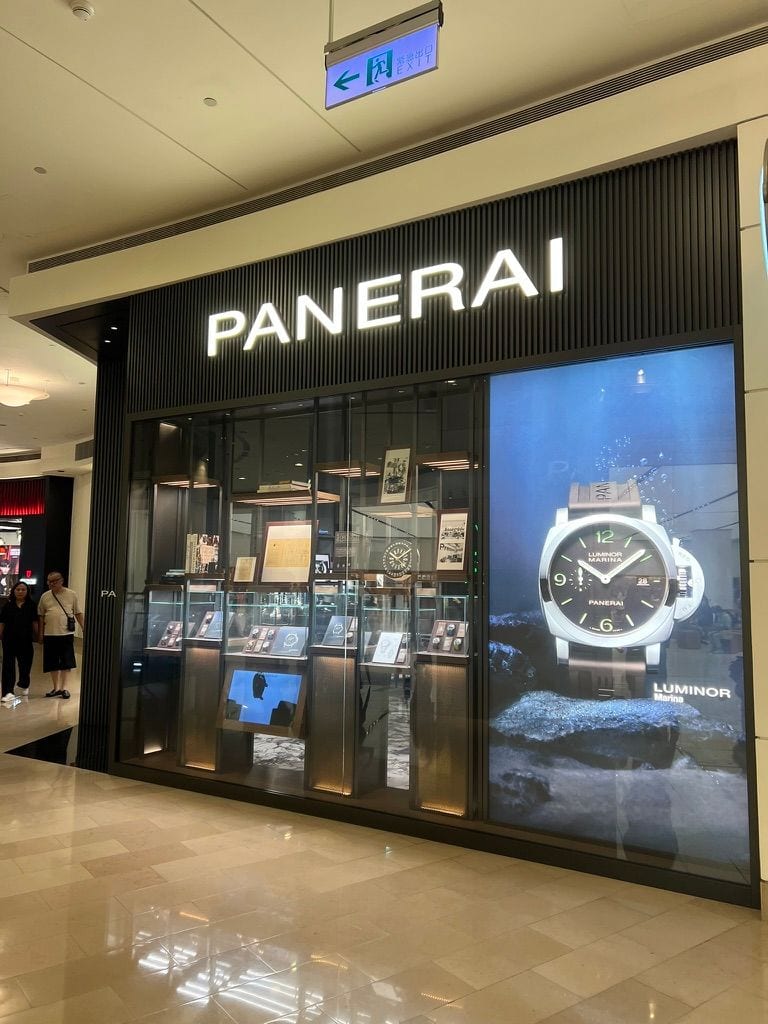
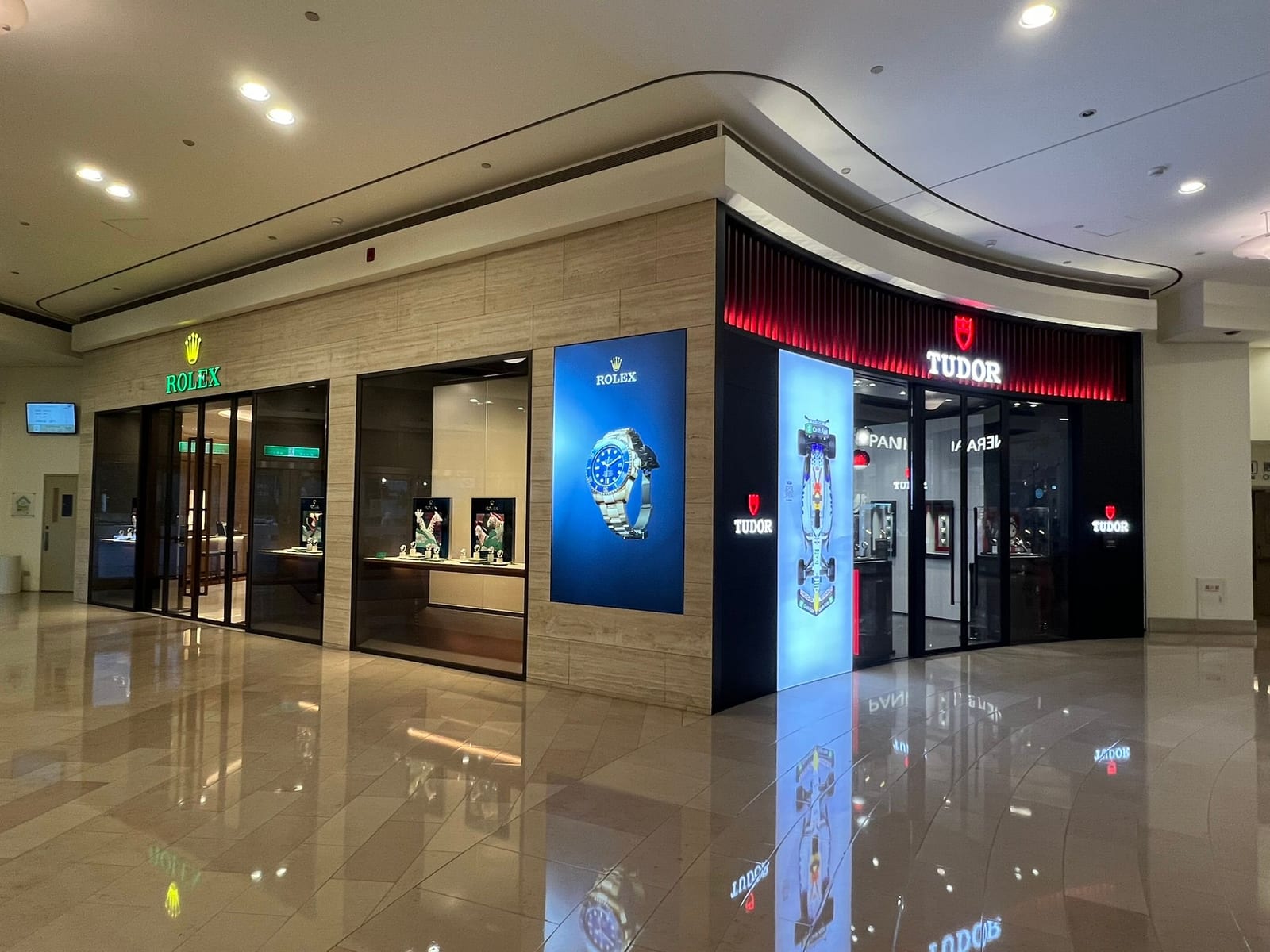
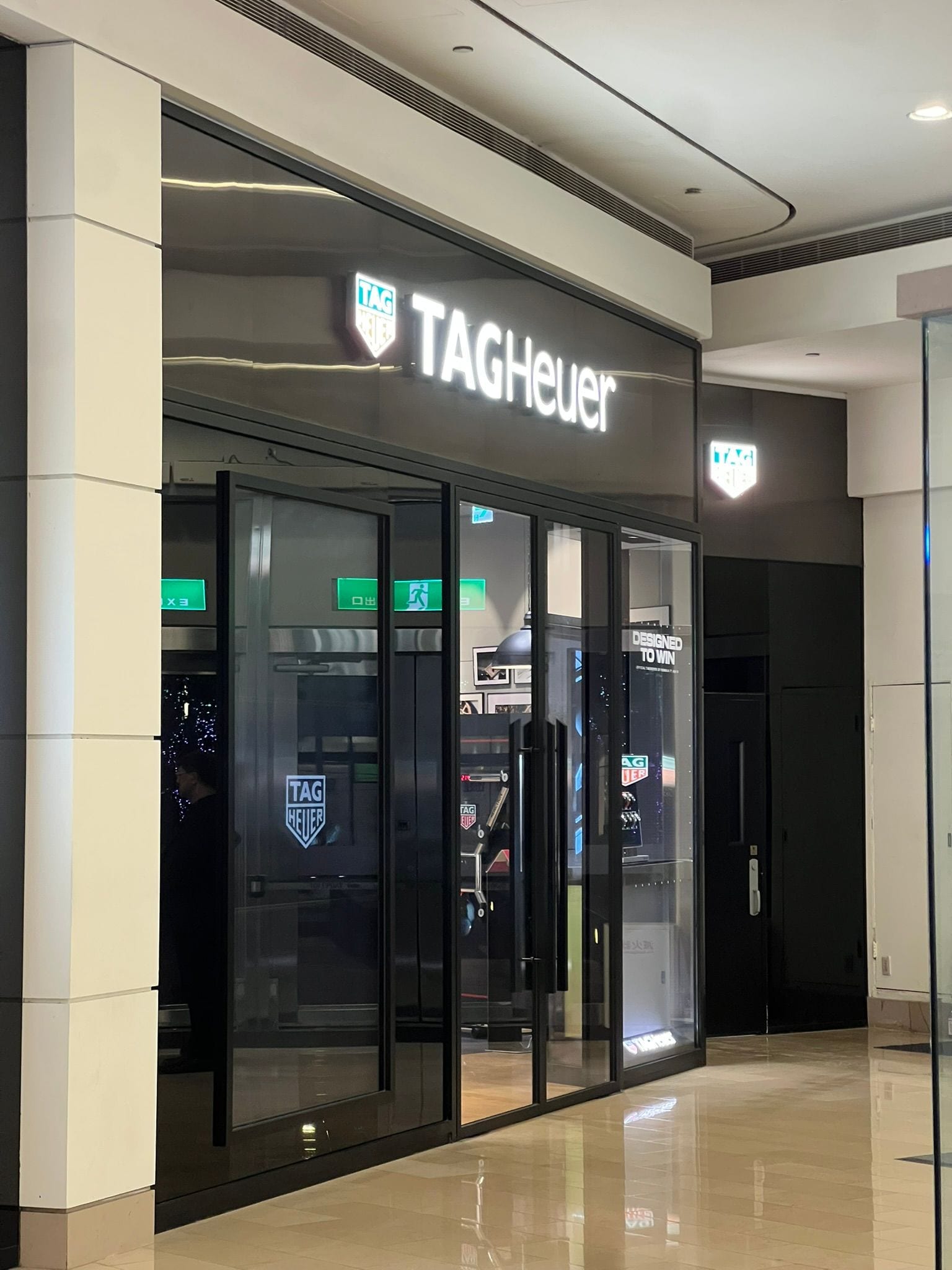
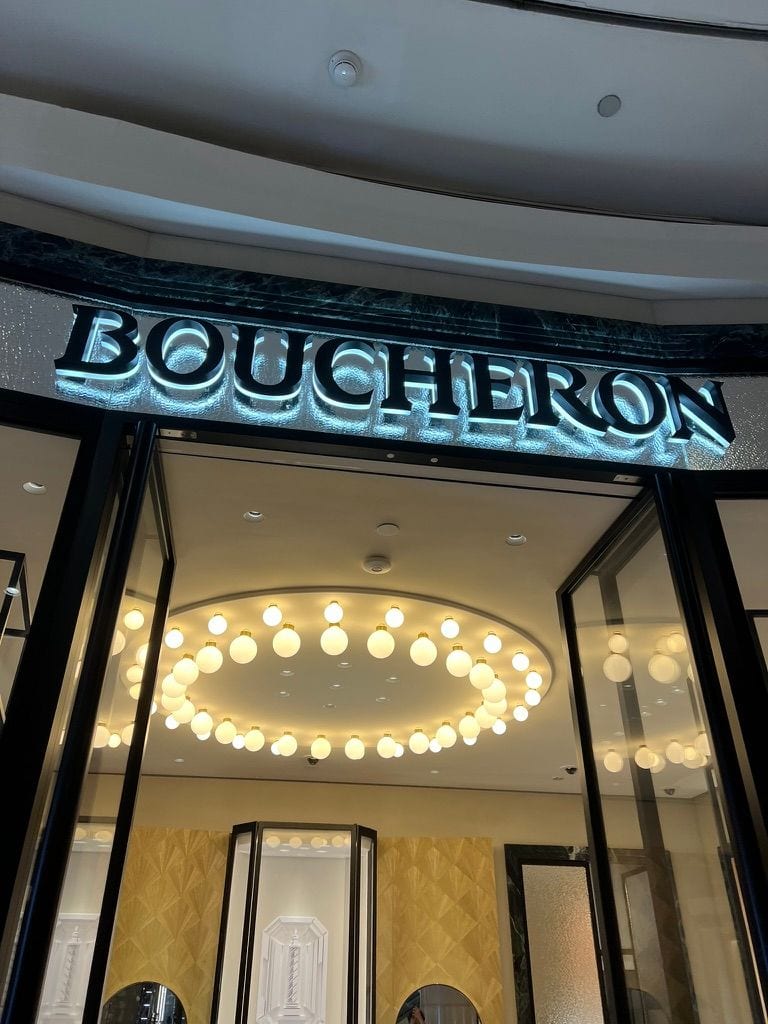
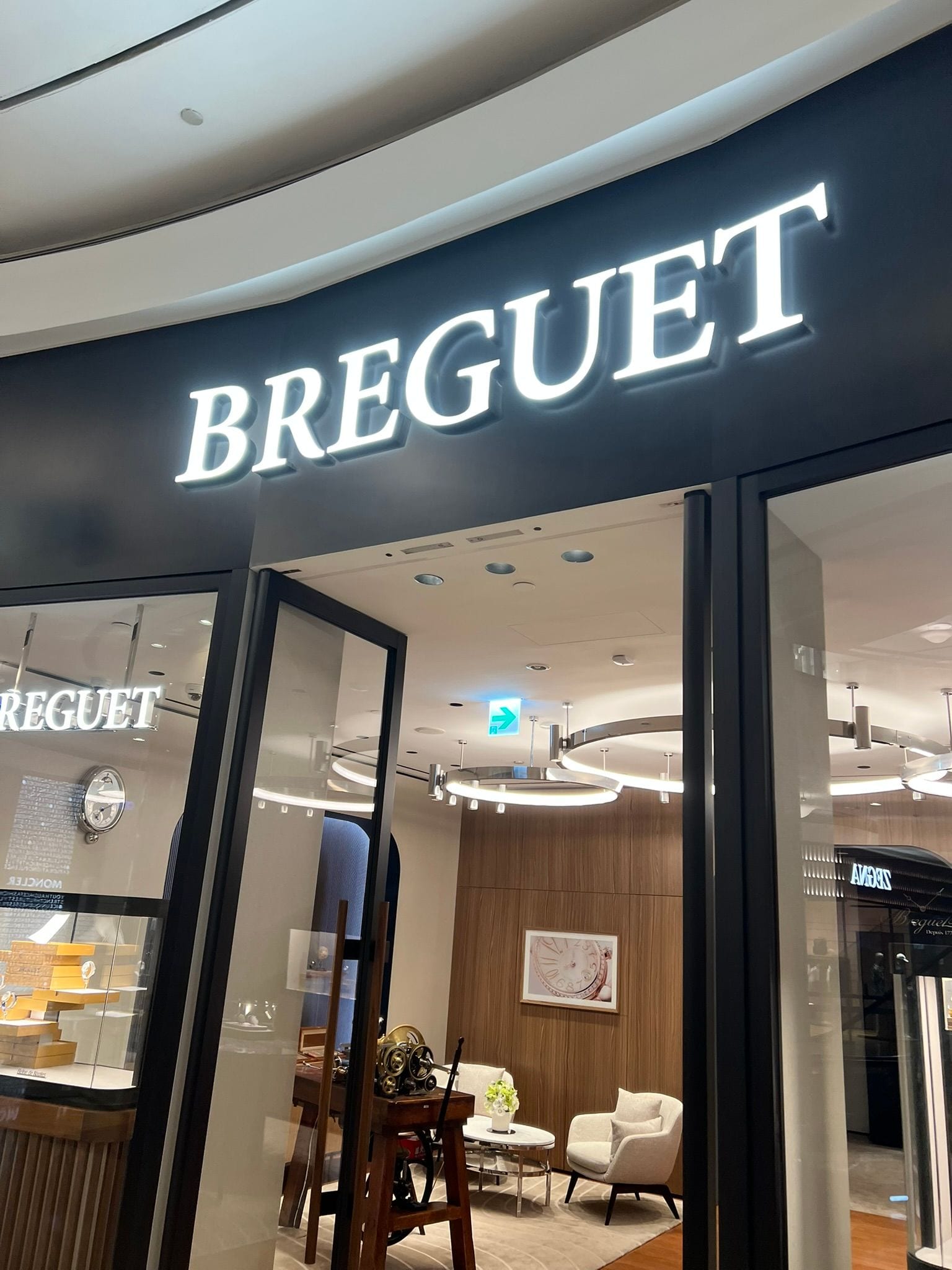
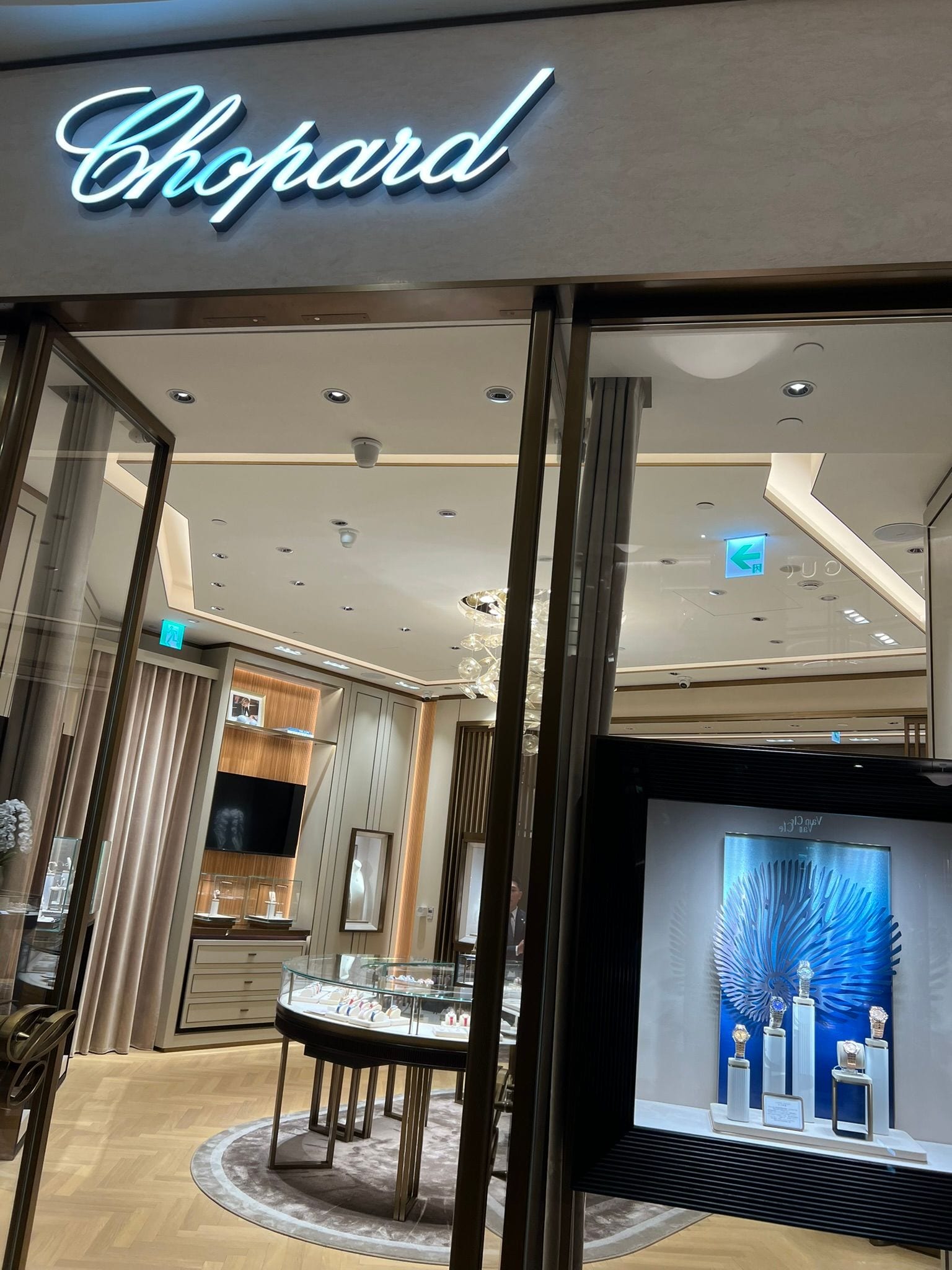
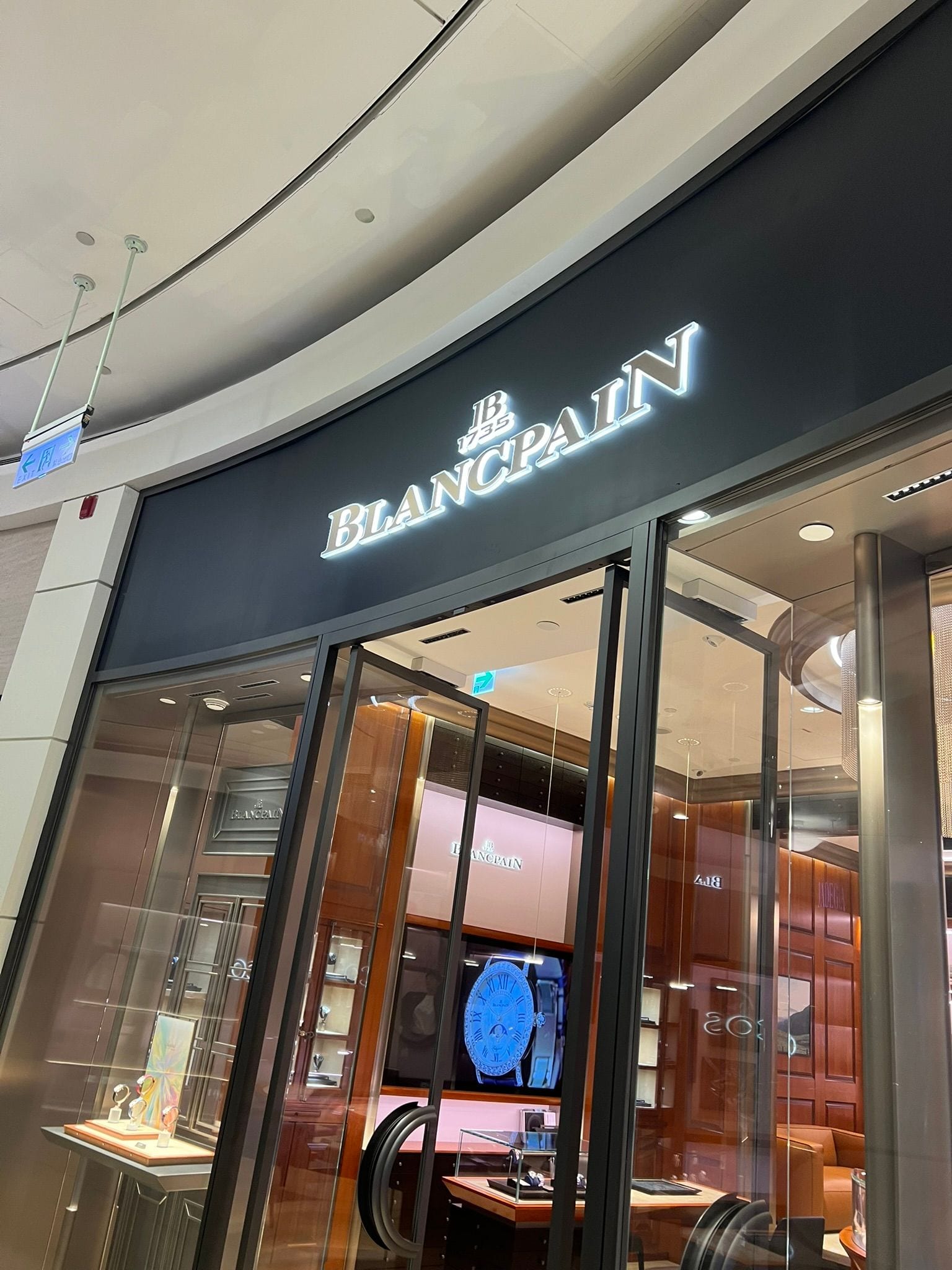
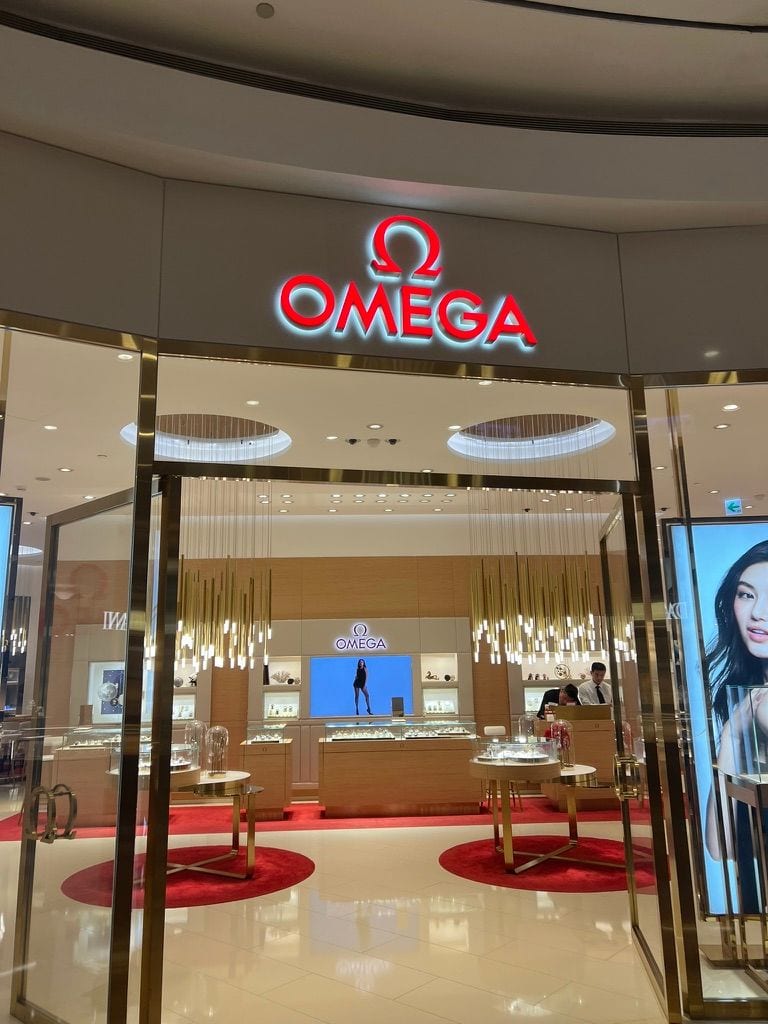
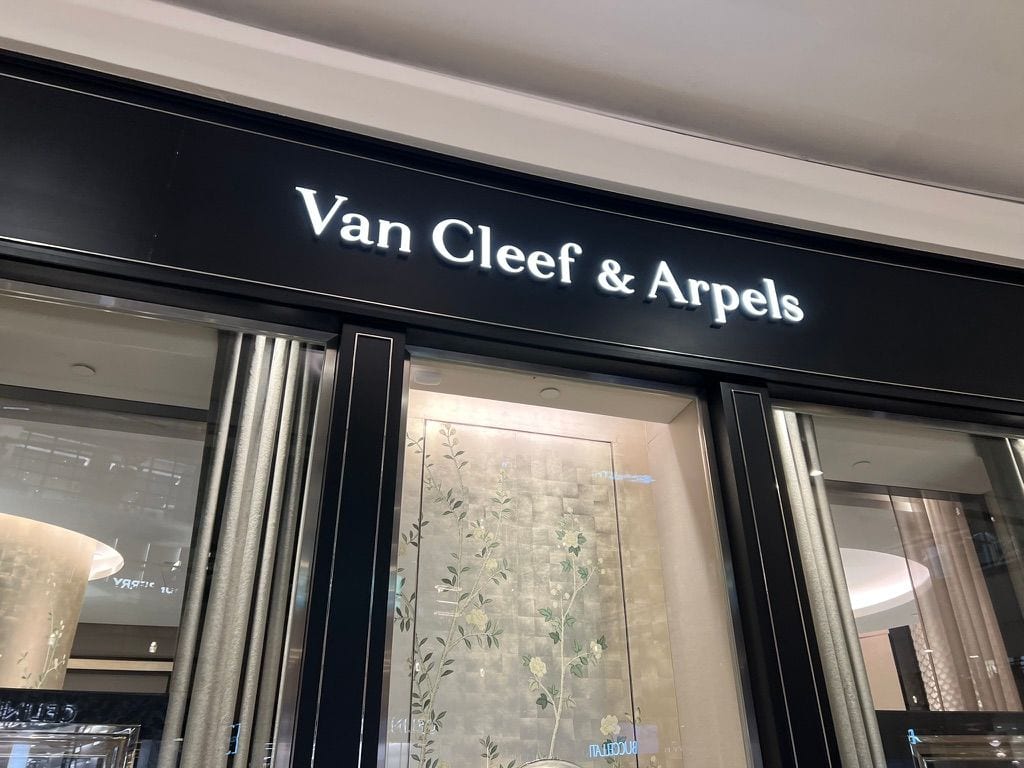
when ultra-high-net-worth individuals with lots of disposable income come to taipei, they visit the mall at the base of the Taipei 101. i went there, to see how Taipei designed said mall with those individuals in mind. and, indeed, it was a fascinating economic show-of-force.
every single watchmaker on the face of this earth had a storefront (de-collapse this bullet by clicking the triangle on the left)
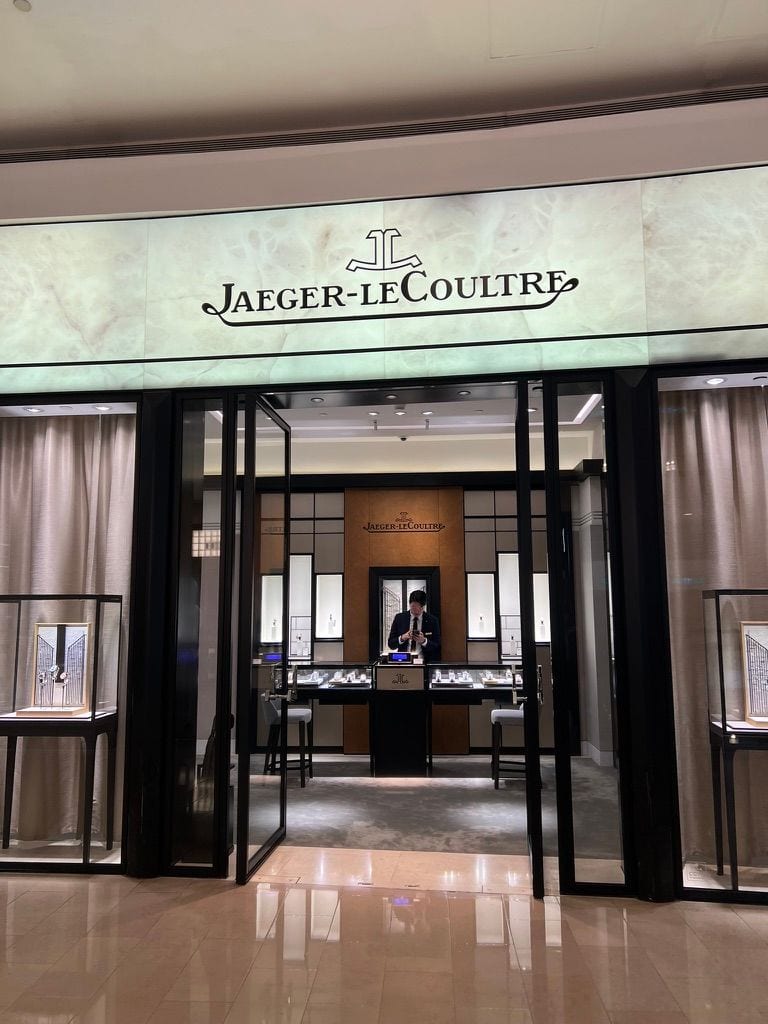
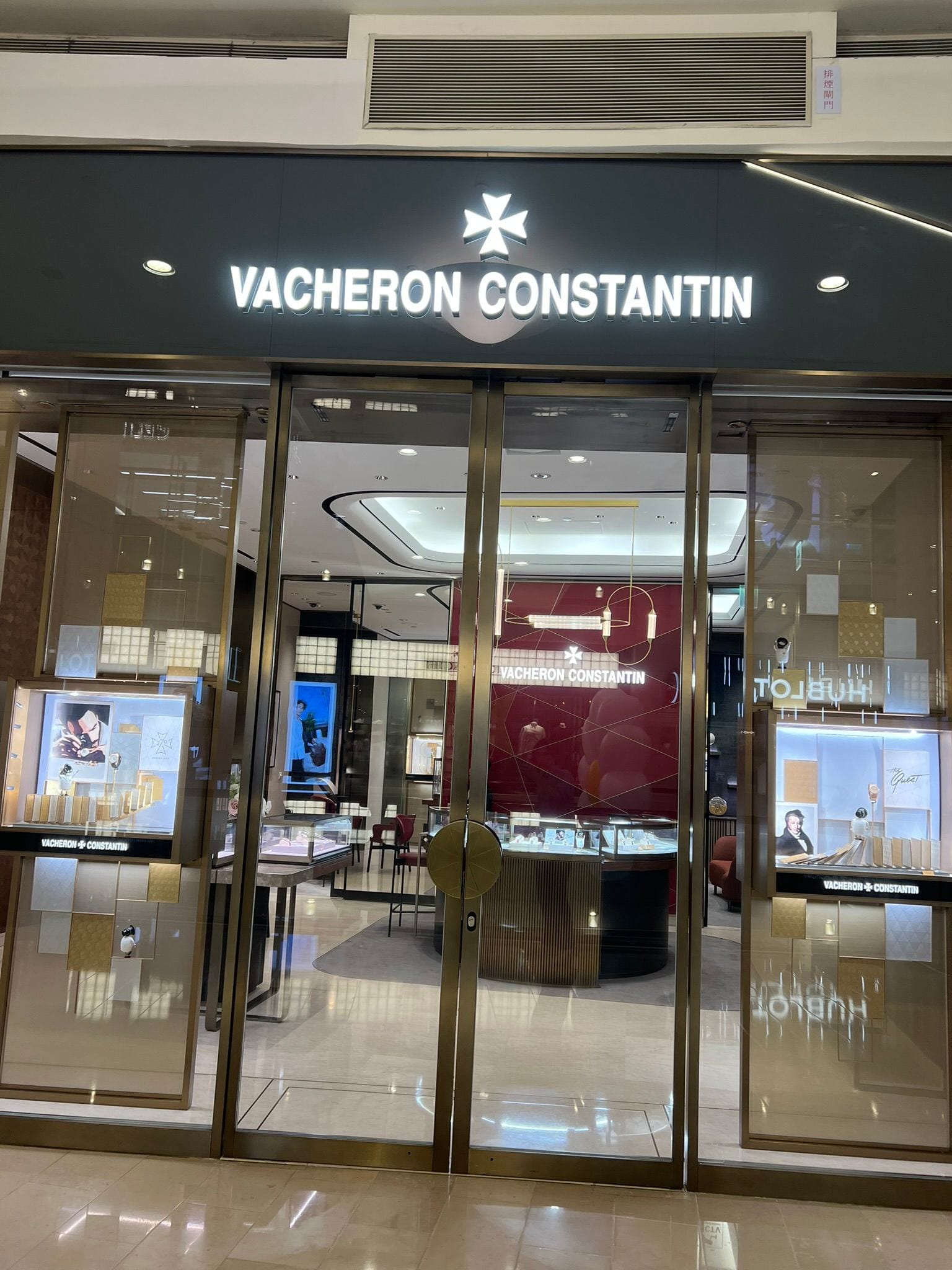
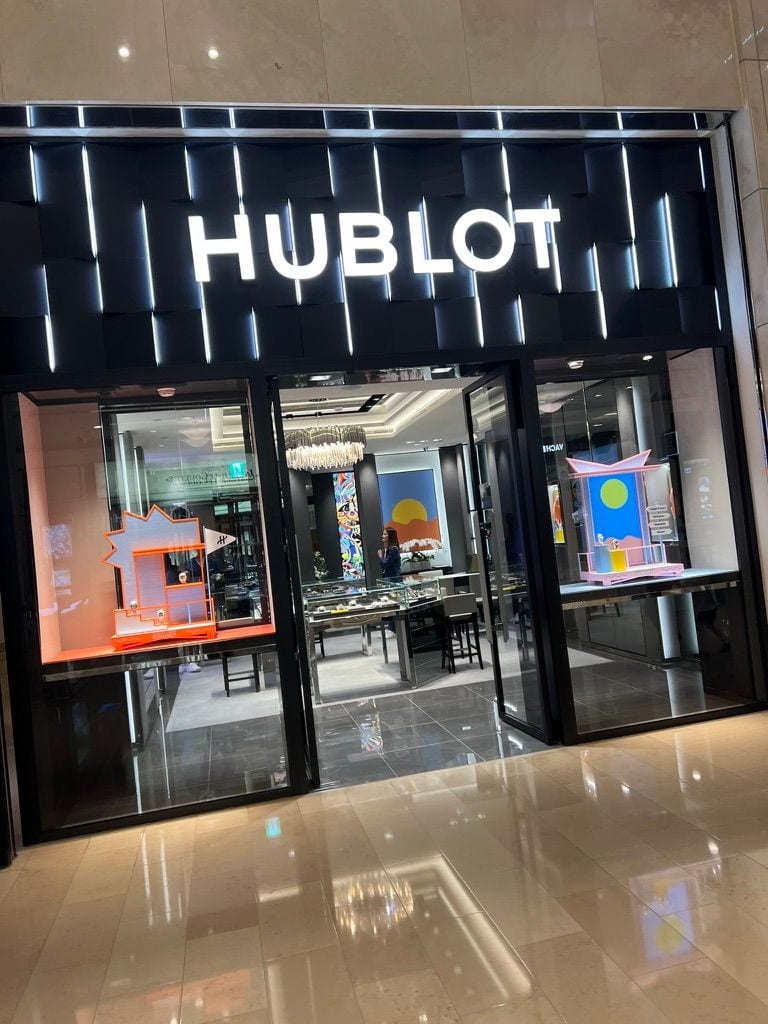
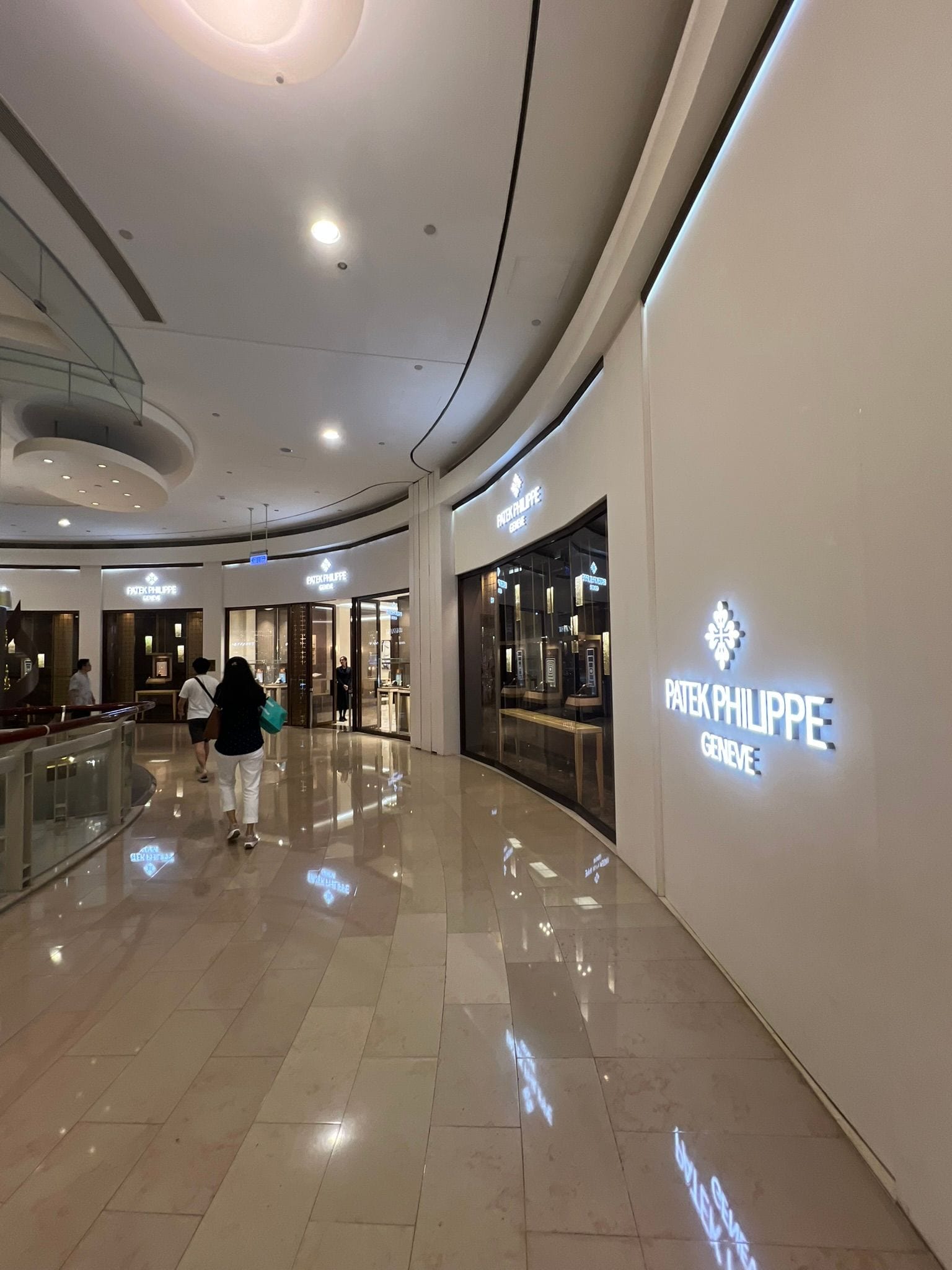
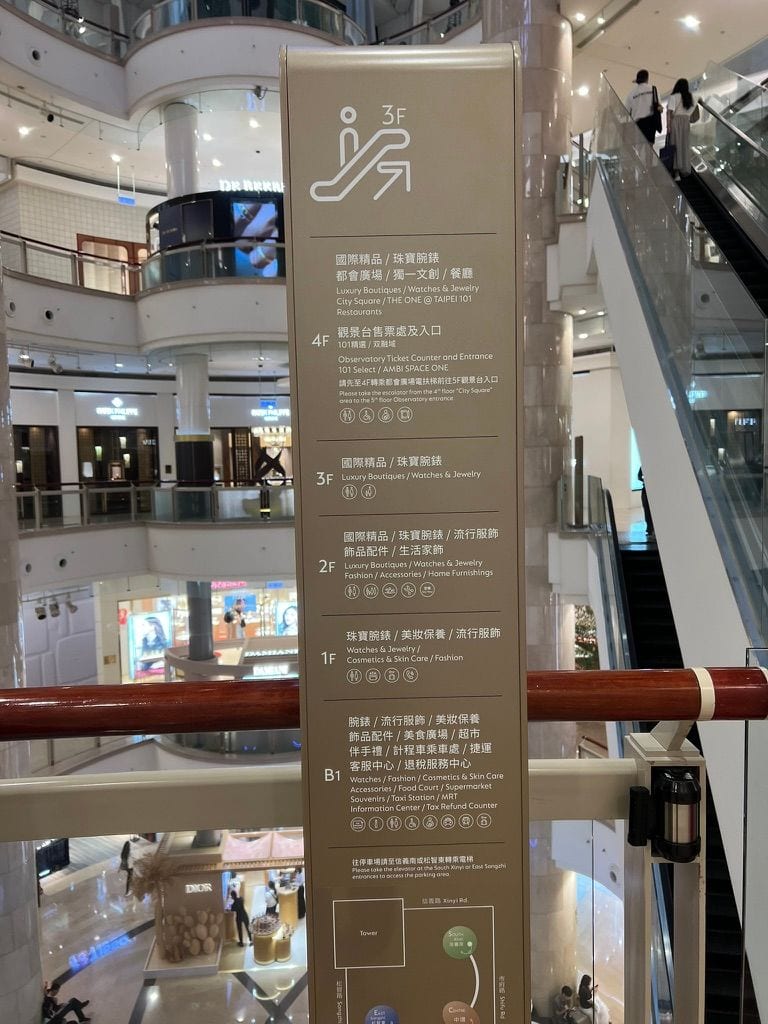
notice below that the description “Watches & Jewelry” is on every level
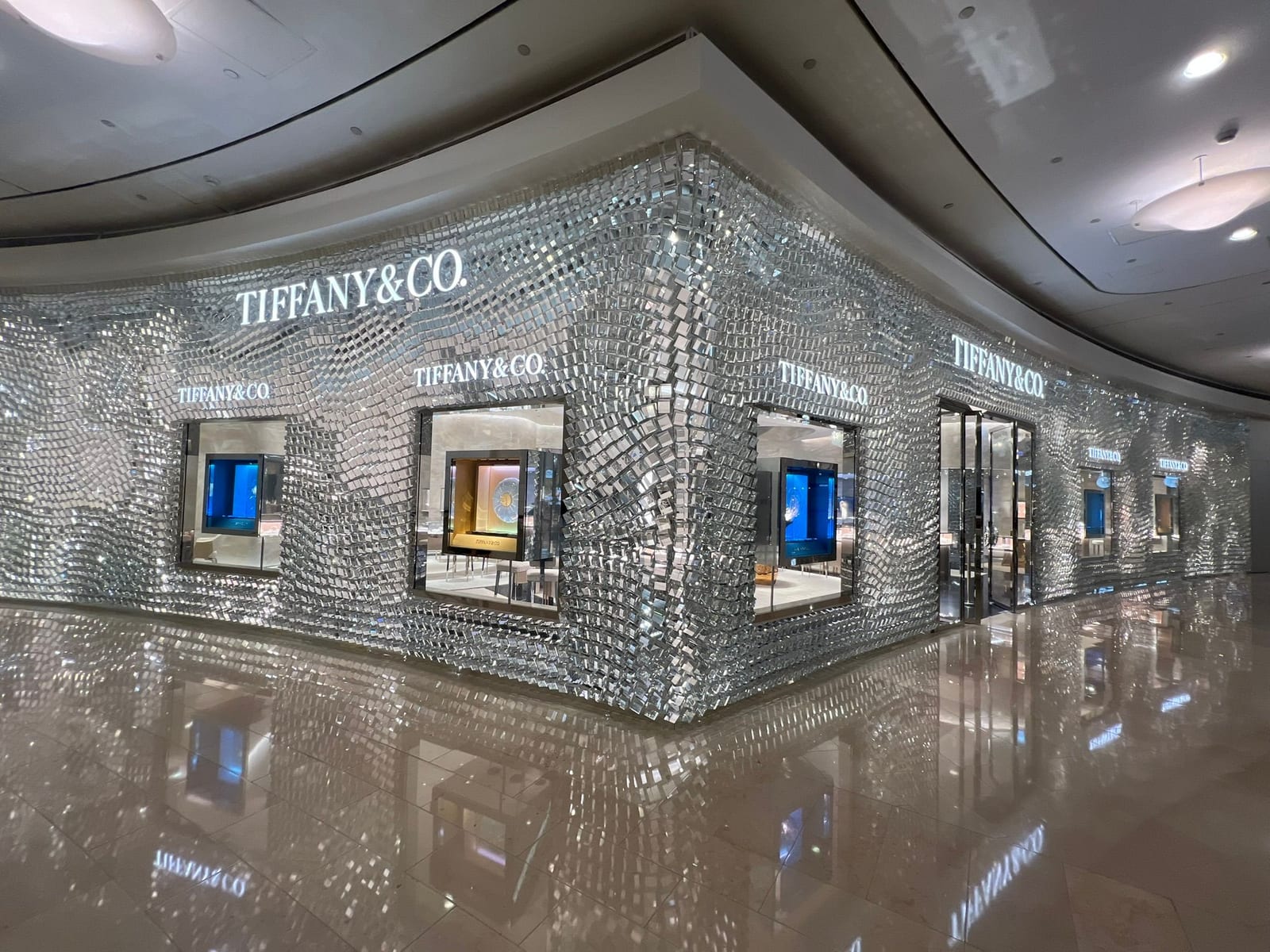
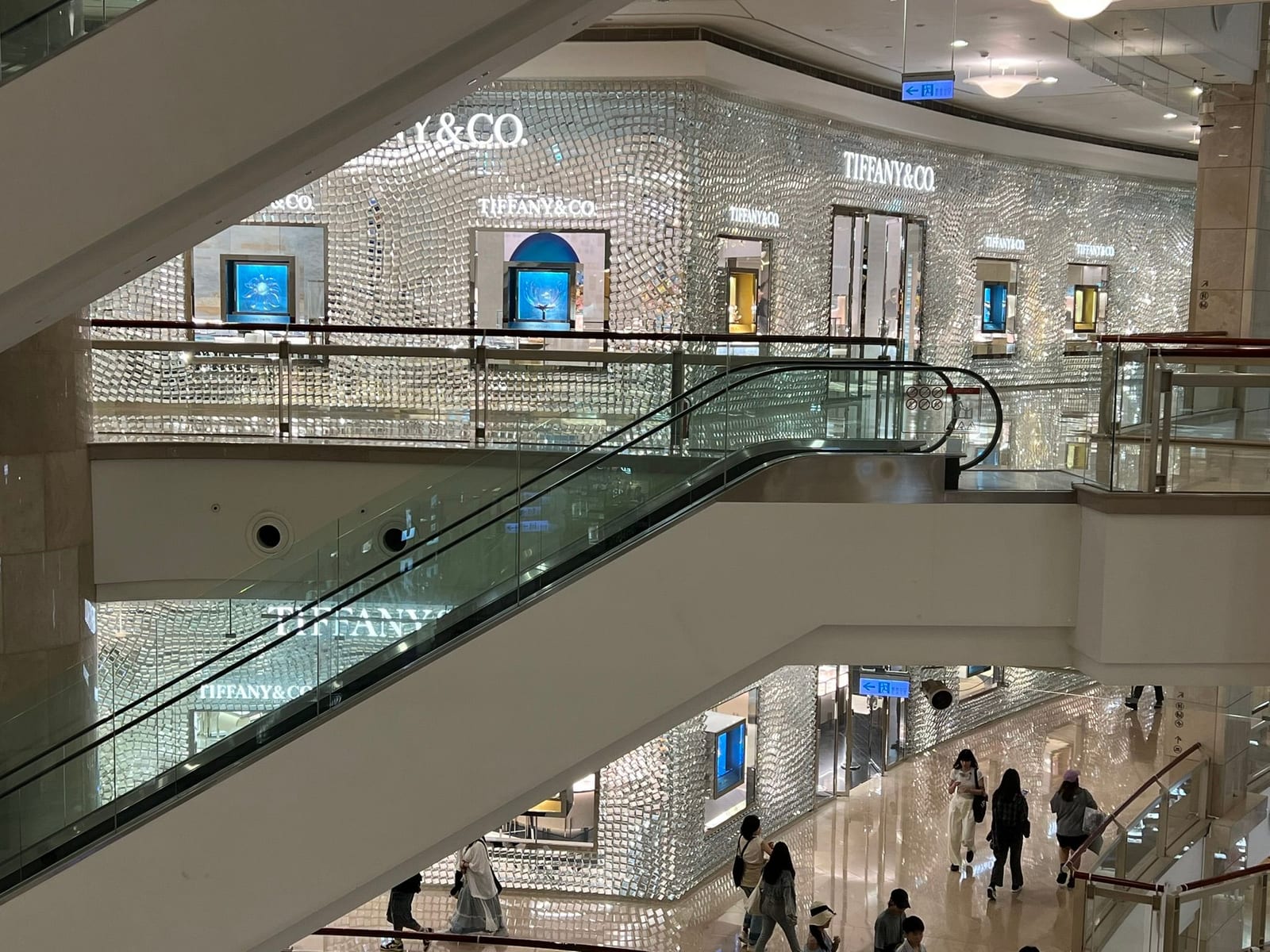
two stories of a tiffany & co storefront built of crystal/glass cubes 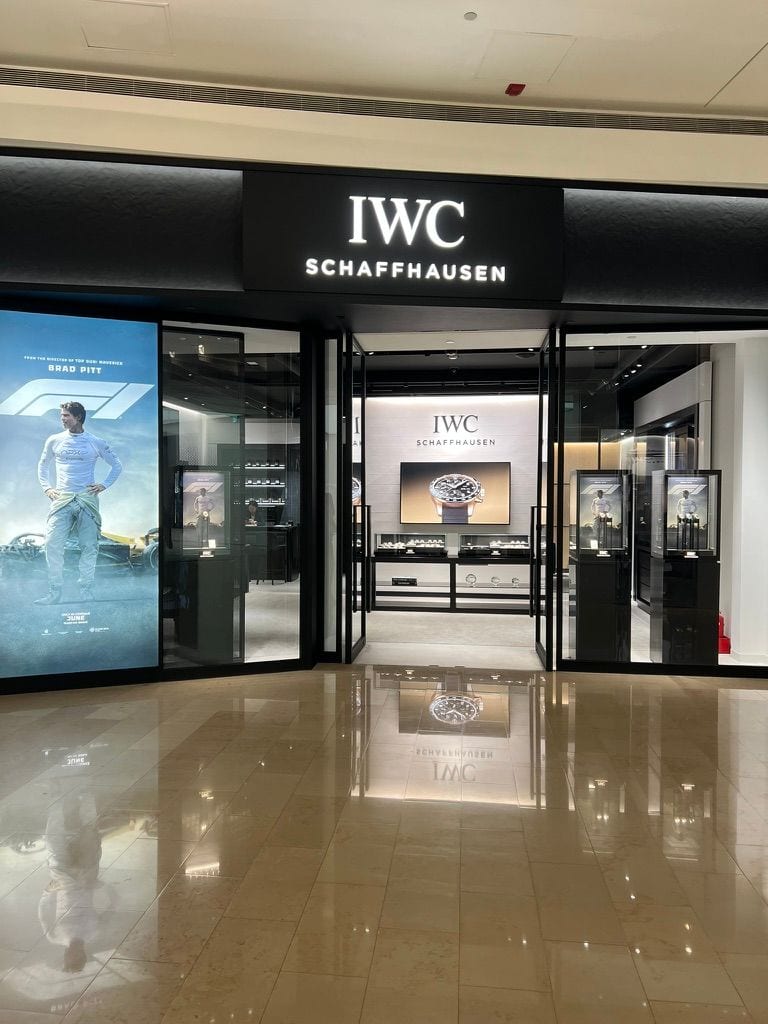
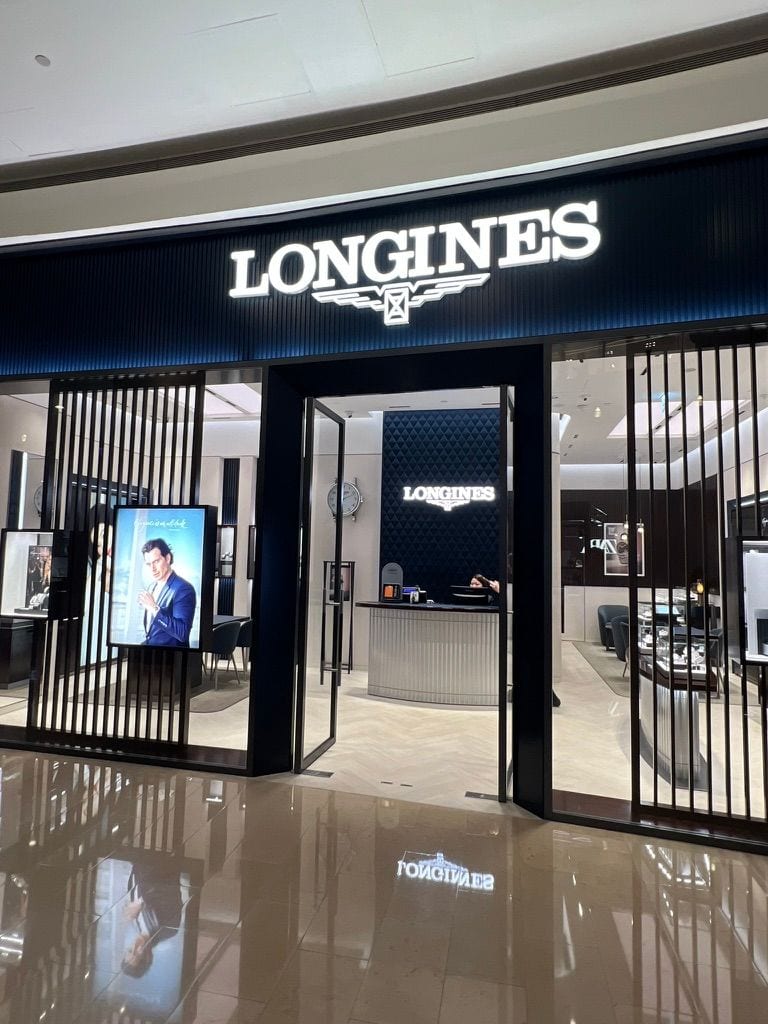
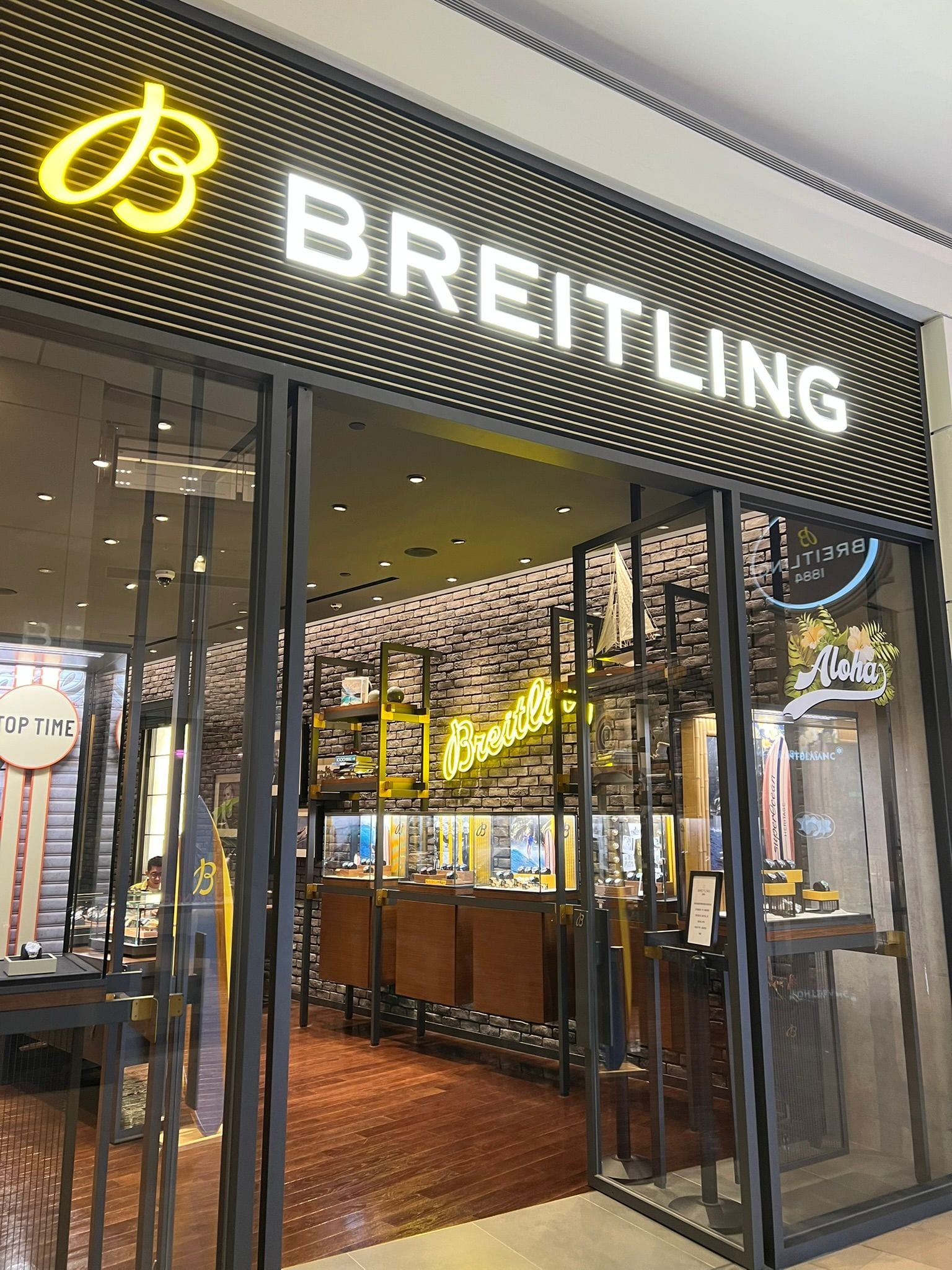
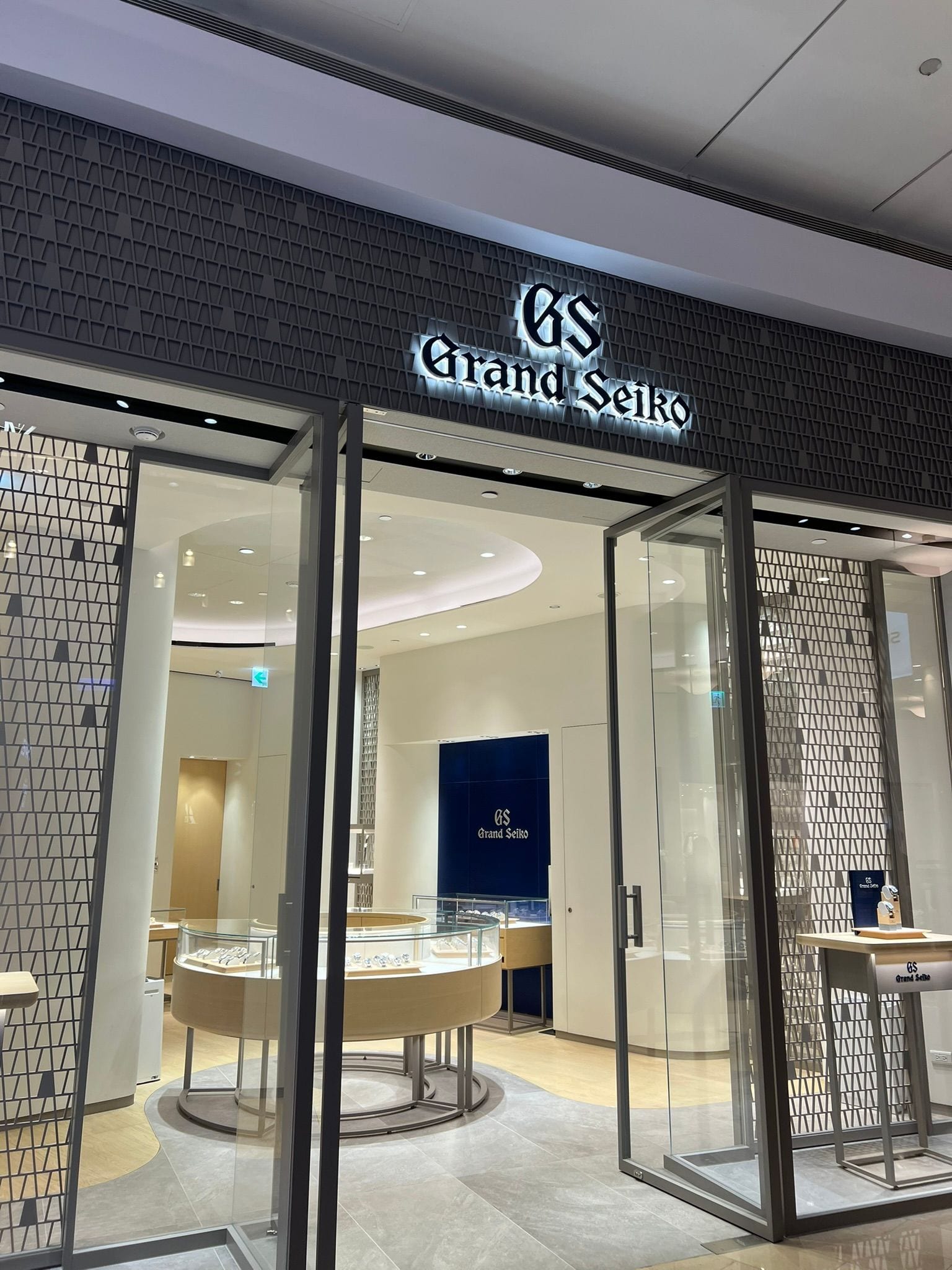
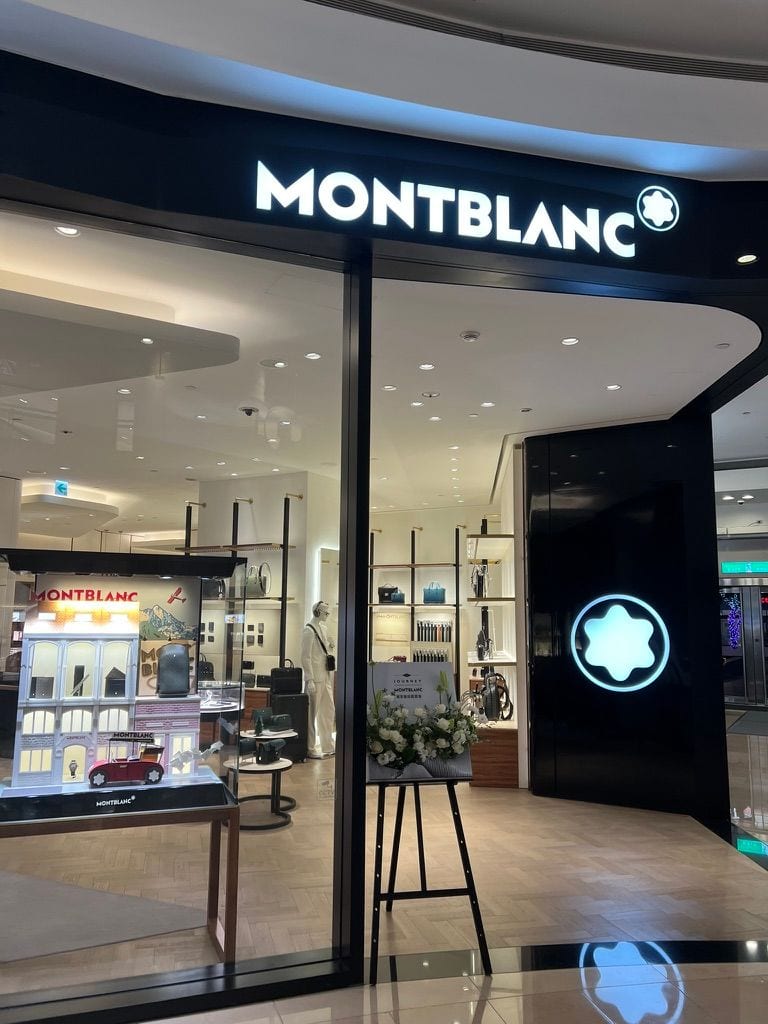
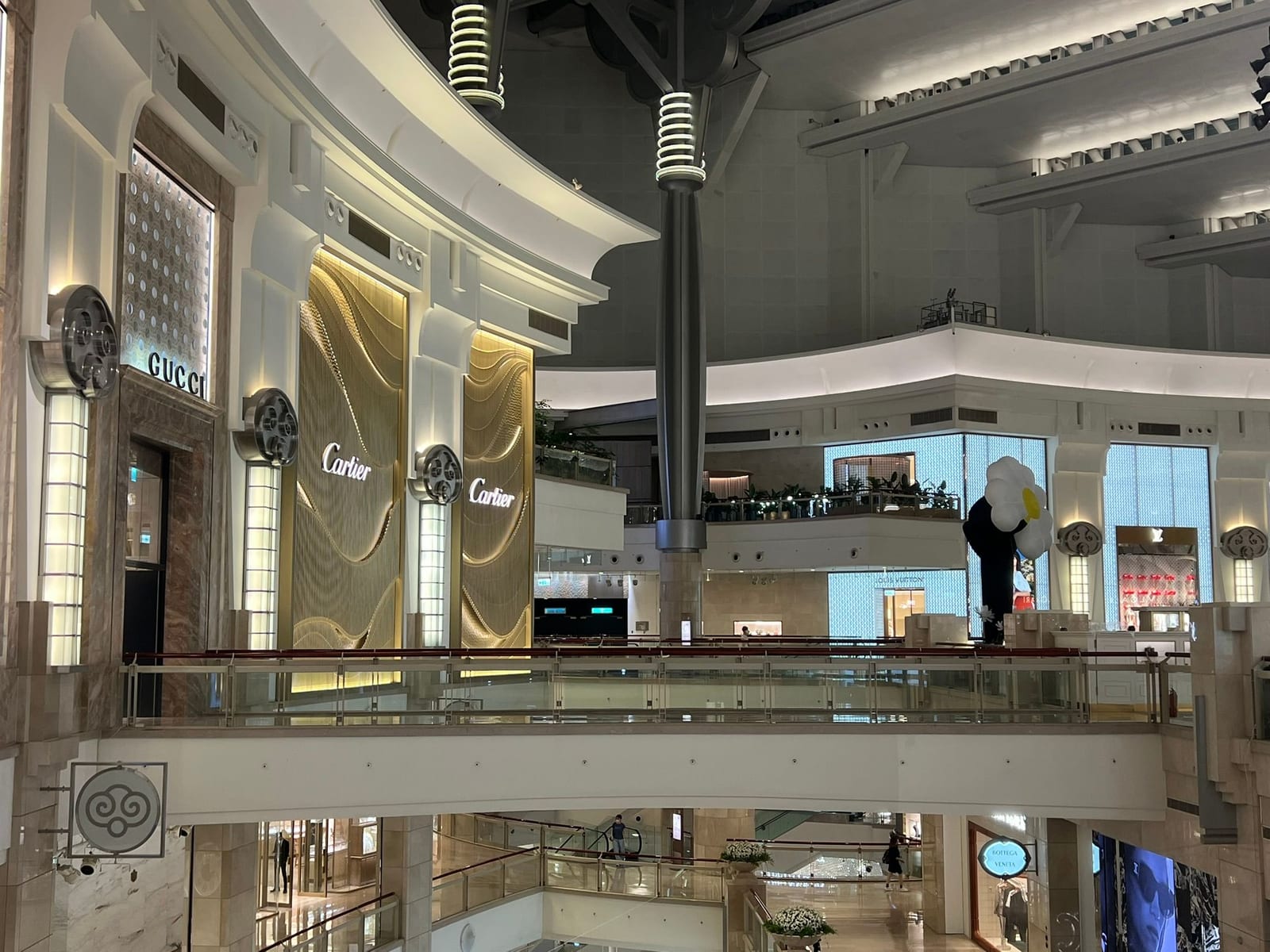
a 3-story cartier storefront 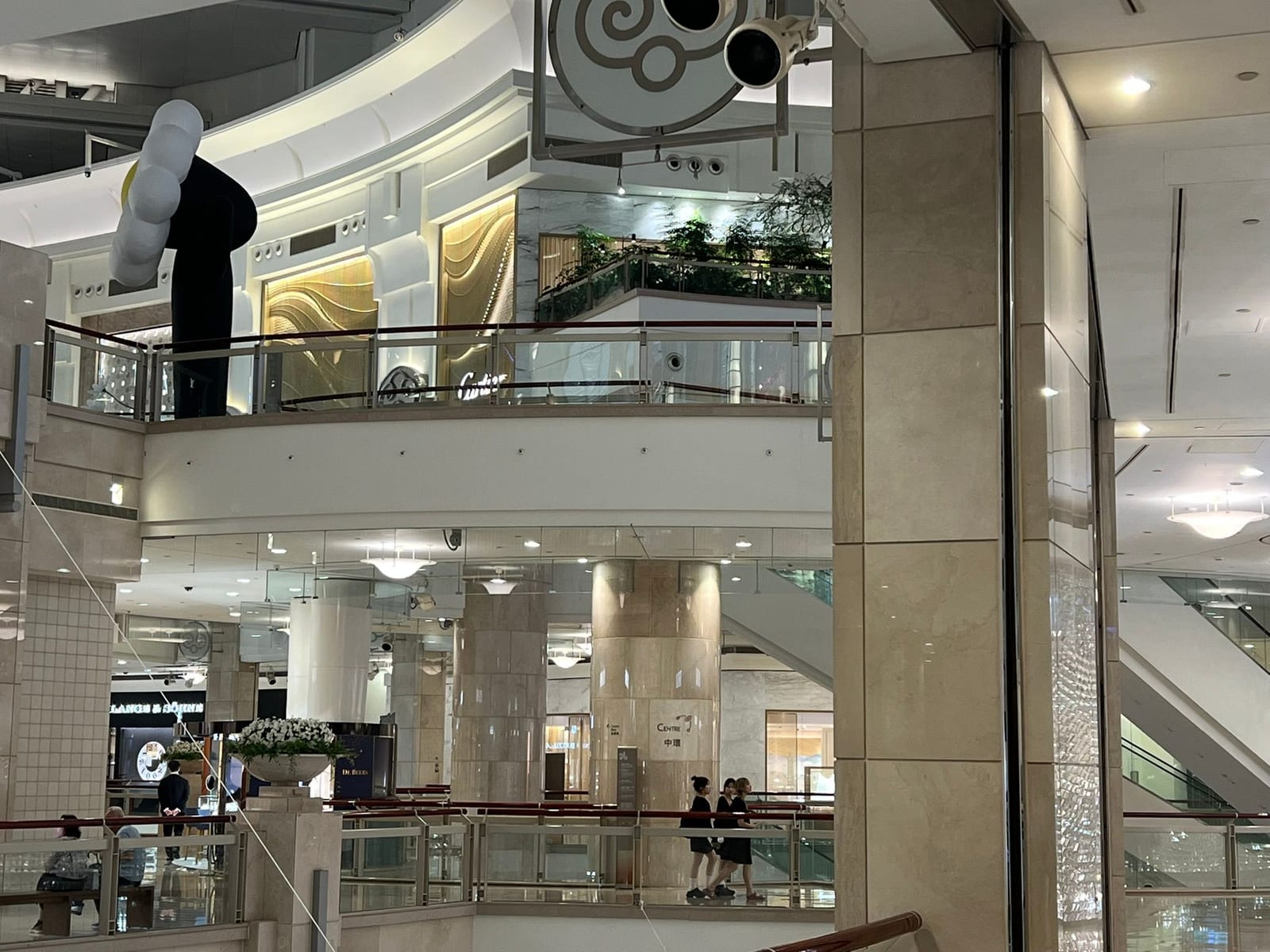
the same 3-story cartier storefront from a different angle 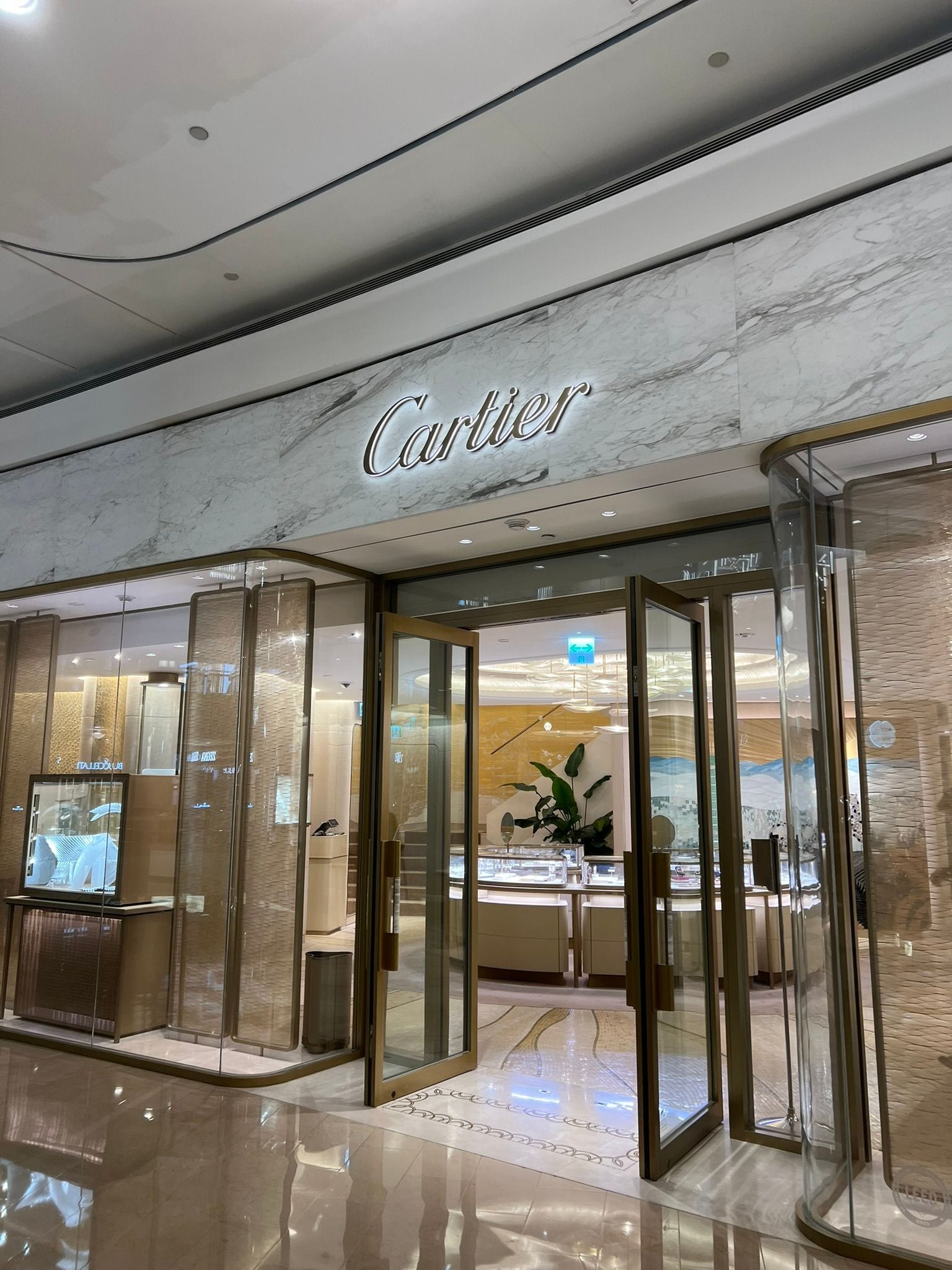
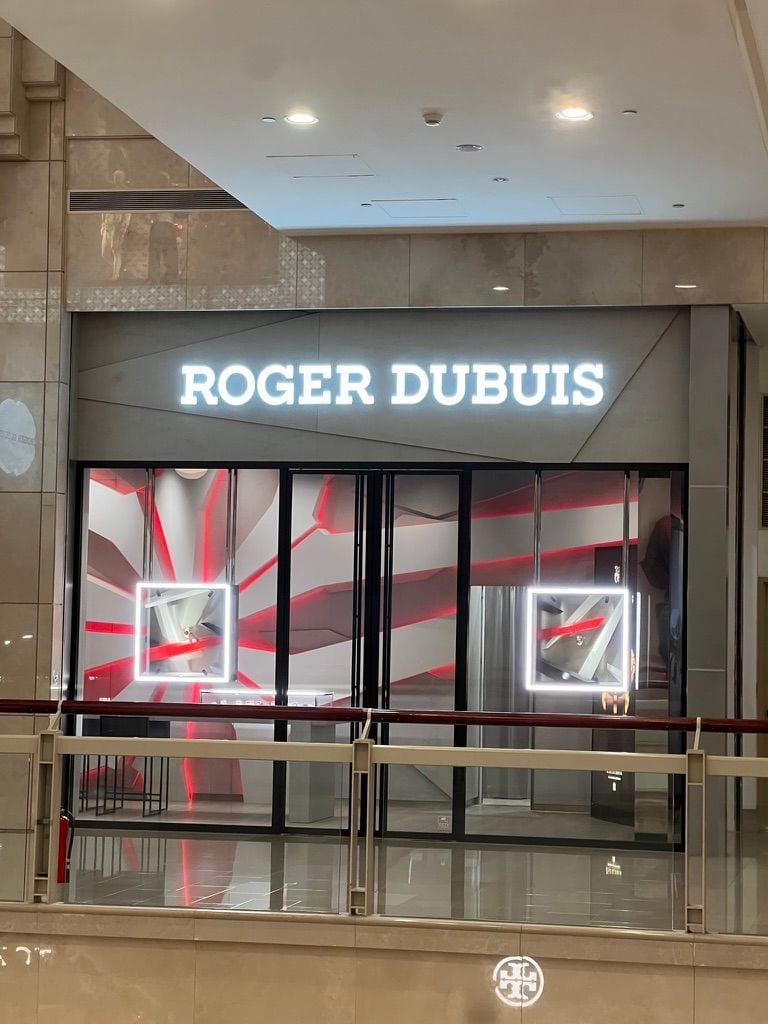
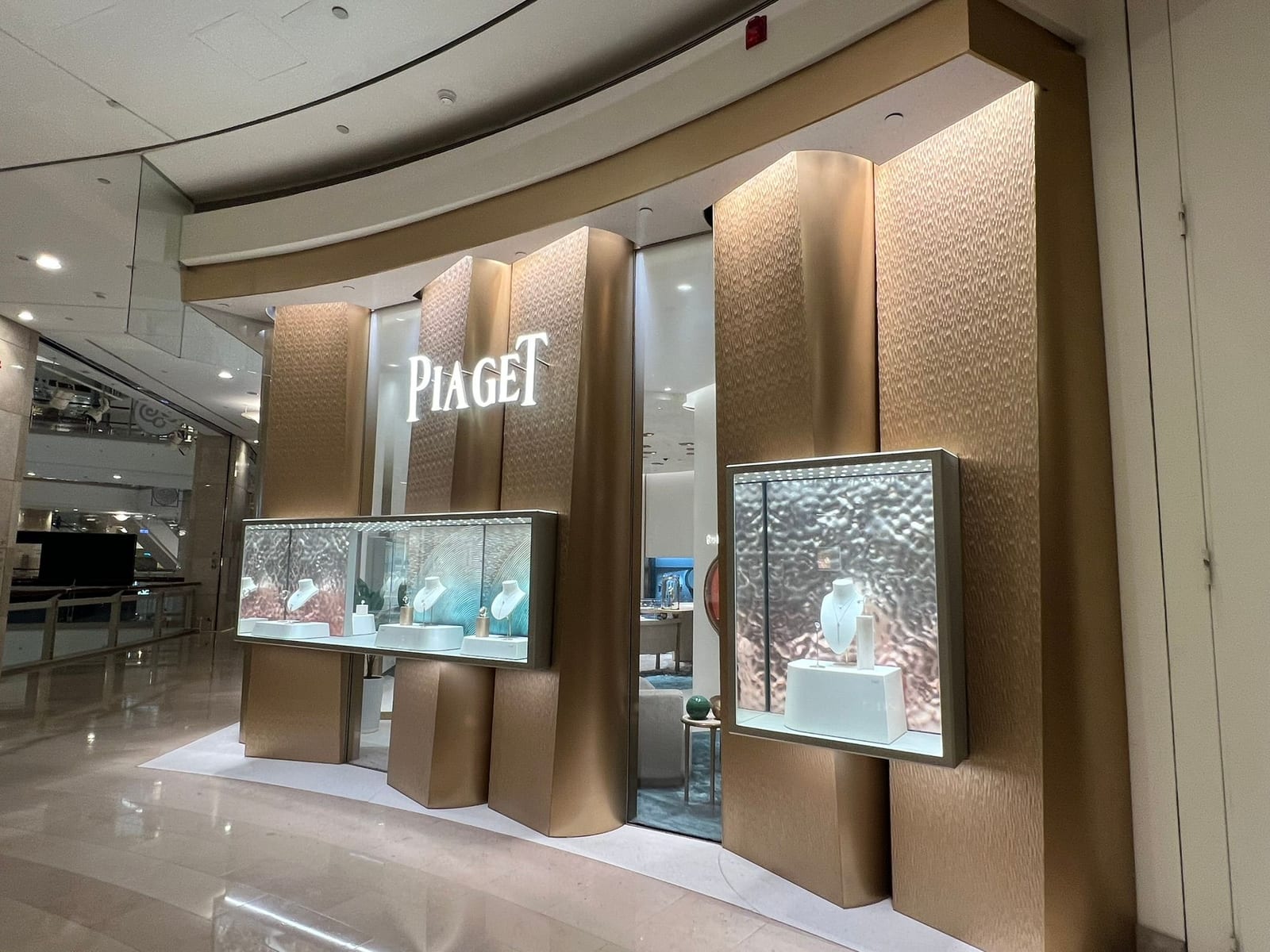
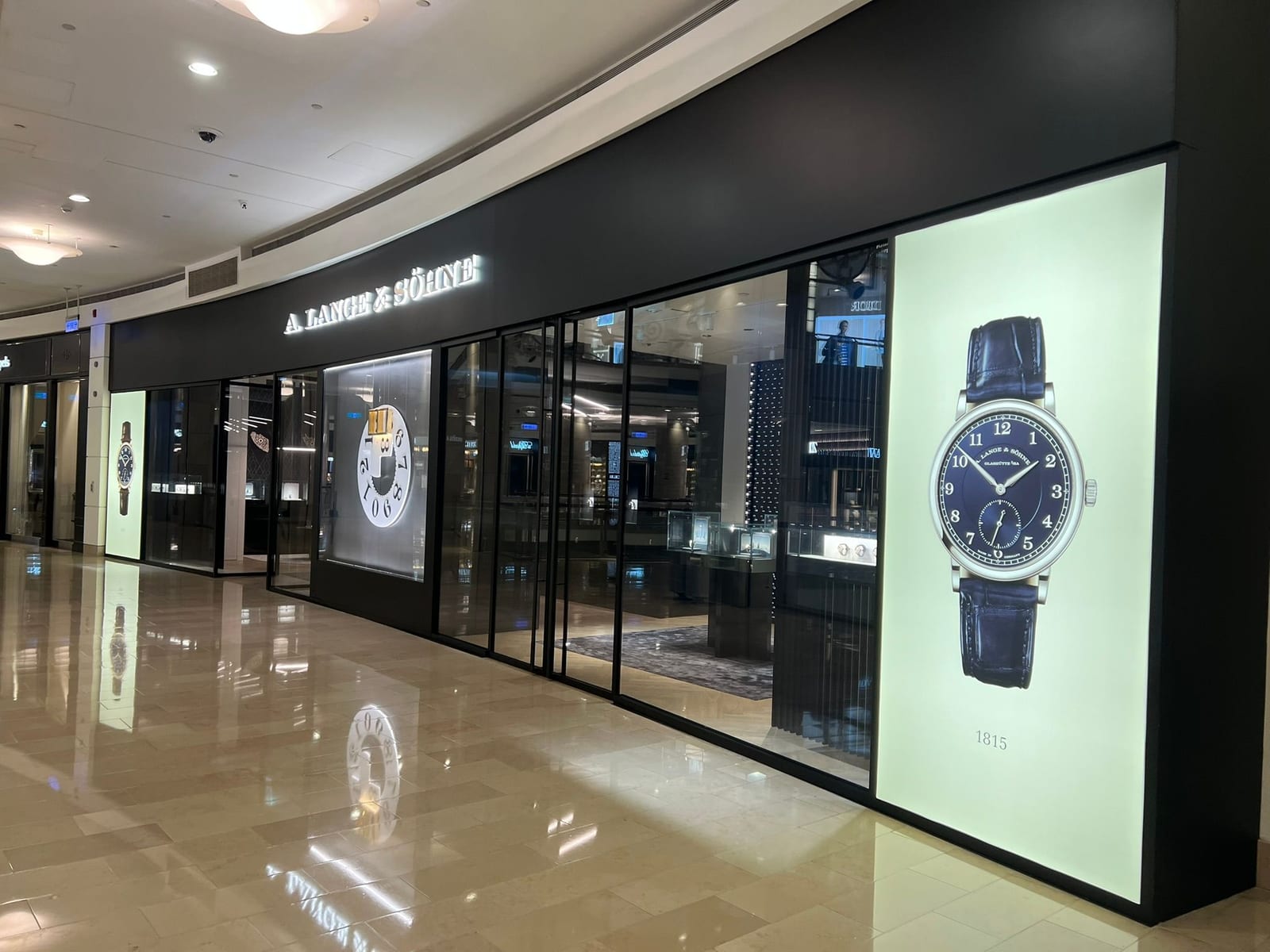
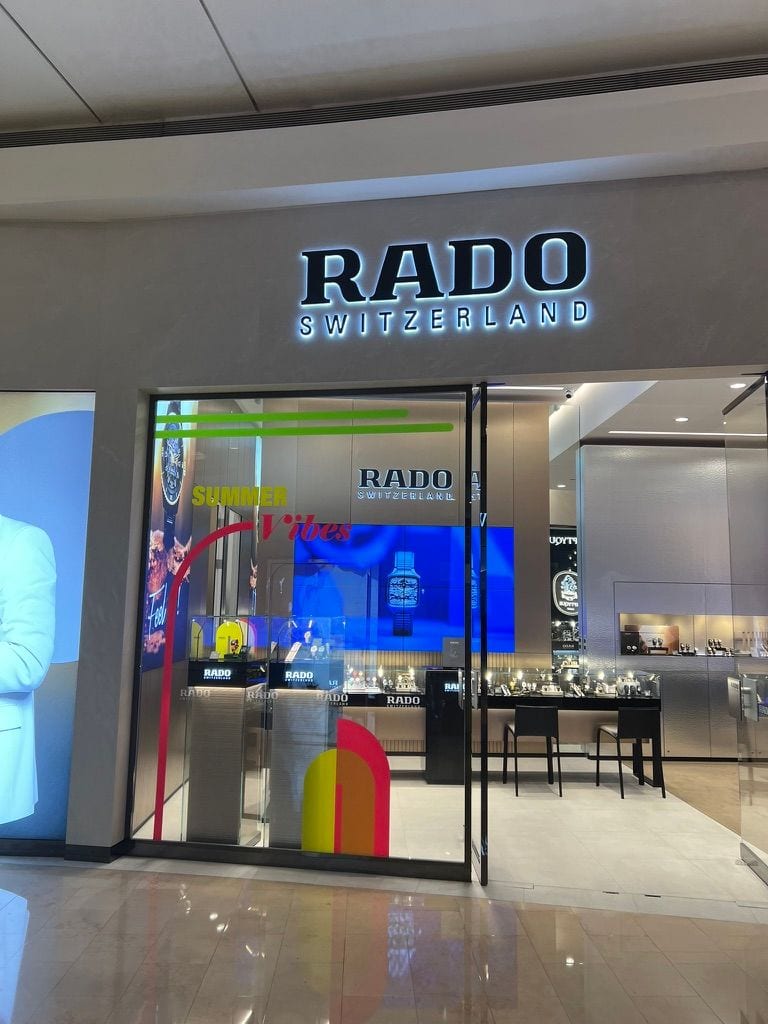
-
the whole mall was built of marble, with accents of glass and dark wood. mazes of escalators at each of three corners of the L-shaped mall zoomed customers up and down and around the ~5 levels.
[A video — watch it on the Notion version of this note]
-
some of the storefronts were much more decorated than they typically are in in the US. two examples below — the JO MALONE storefront was built of tile (!)
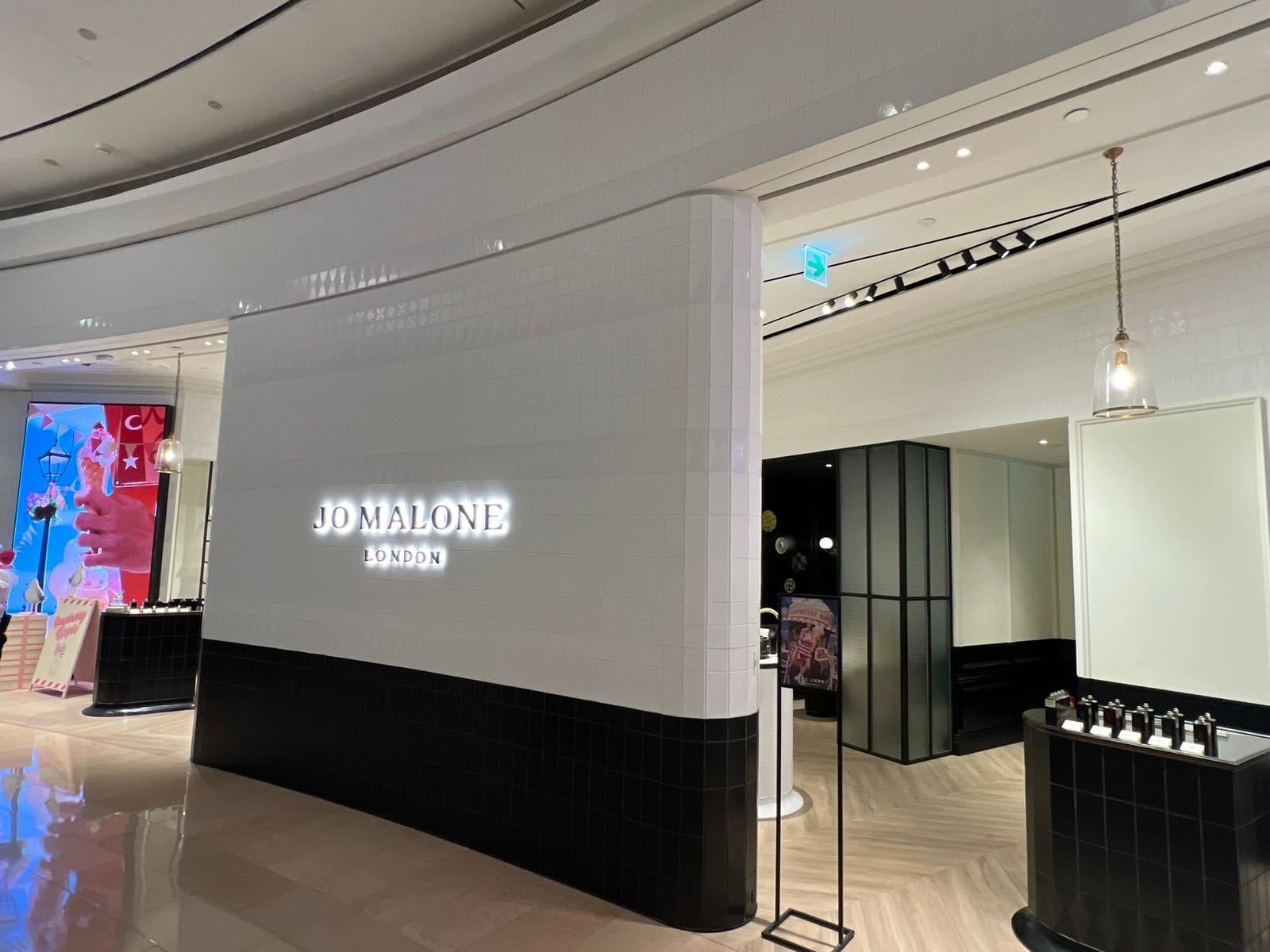
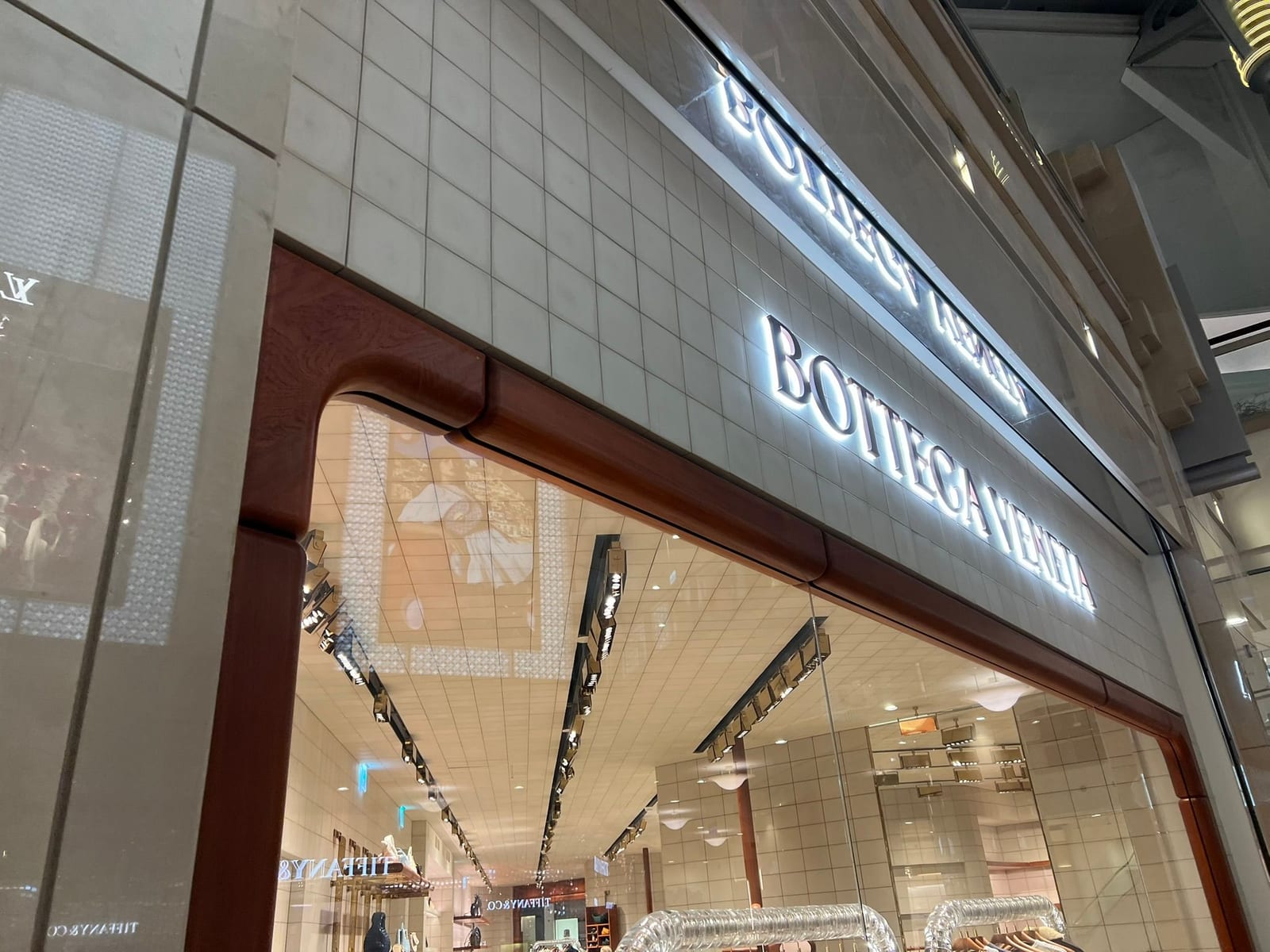
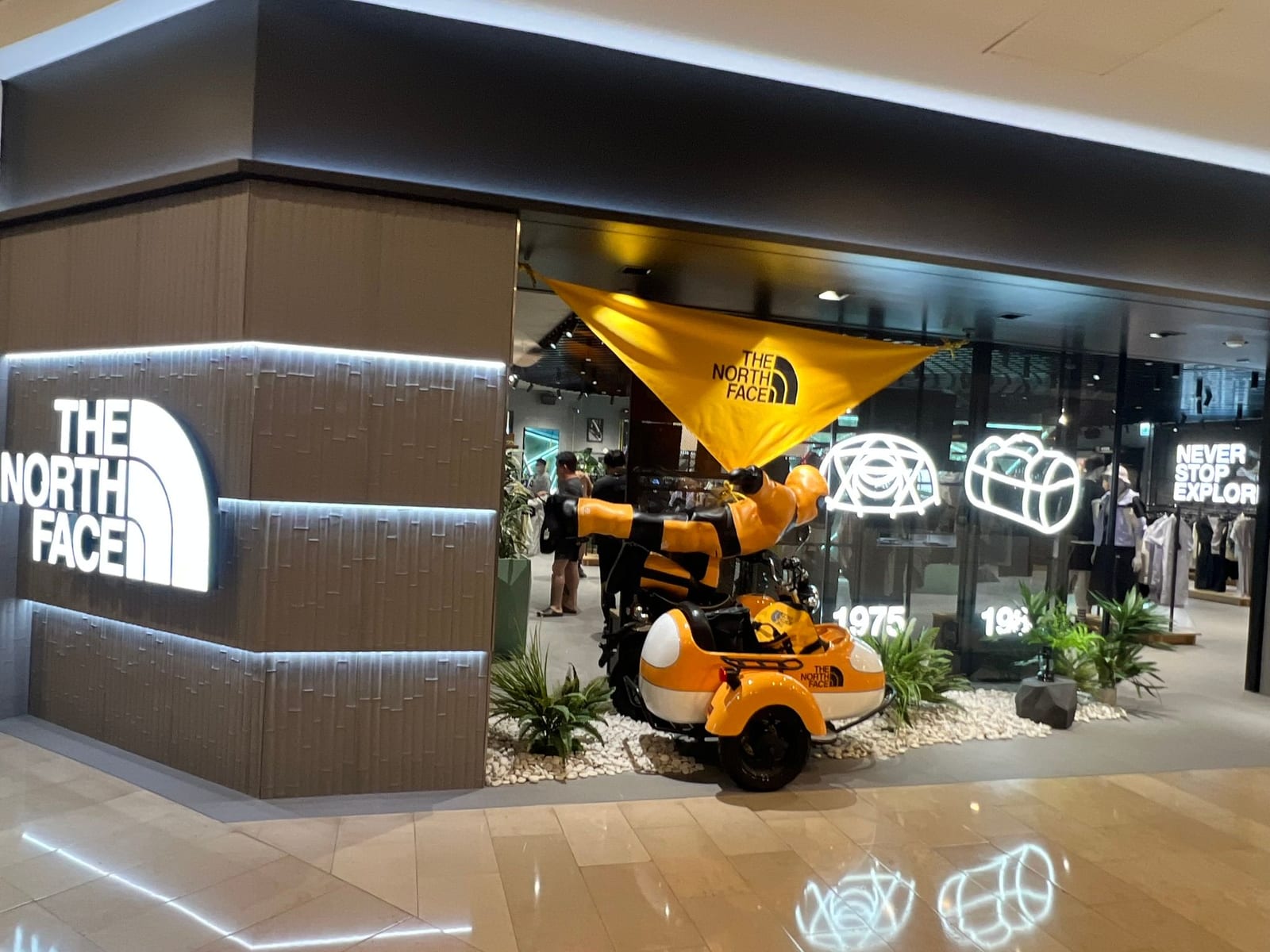
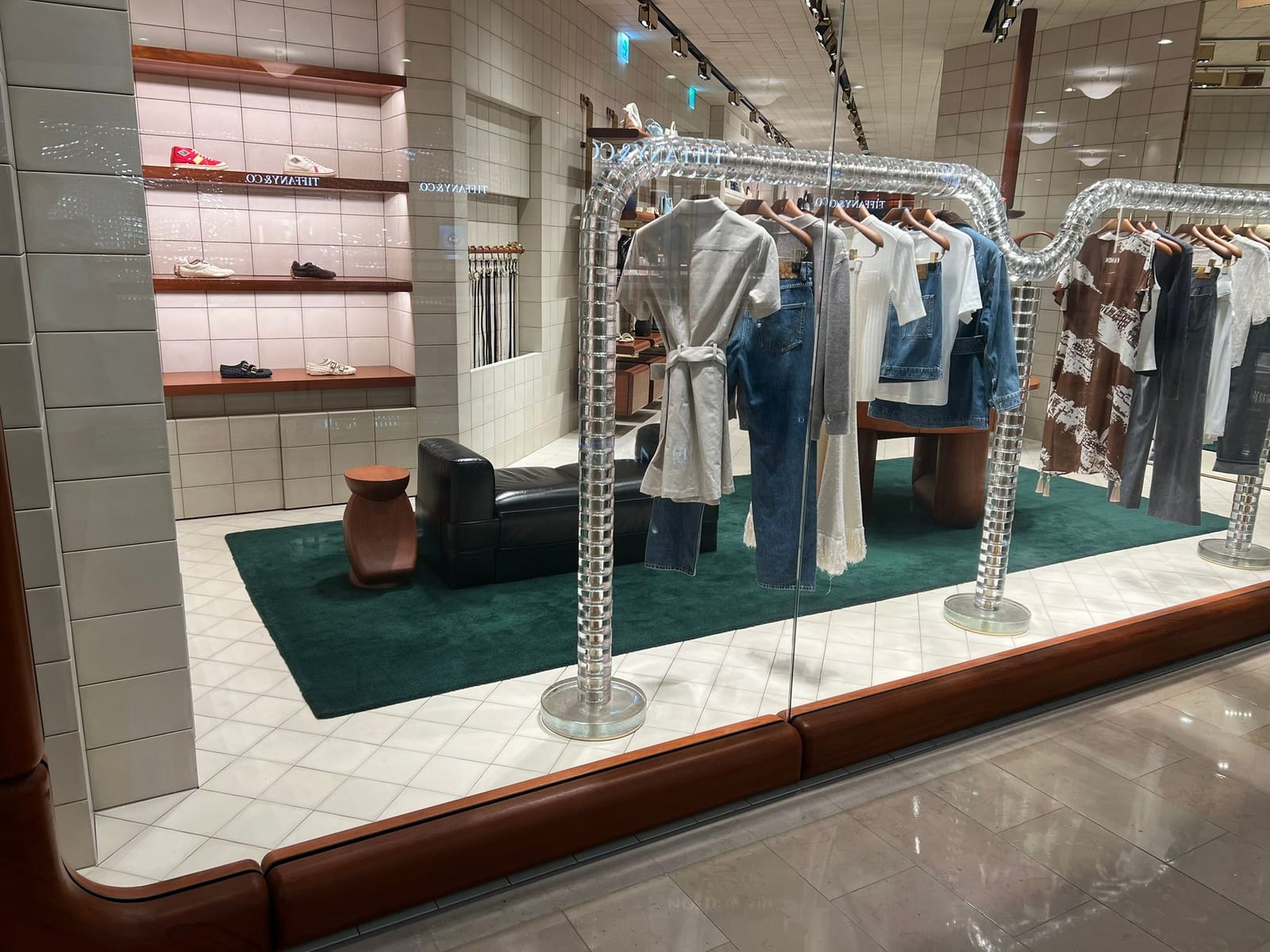
this sort-of makes sense to me: the items on offer have ridiculously high margin, so the main point of competition is to get ultraHNW individuals in the door, conditional on them arriving at the mall. which is why you would expect quite a lot of competition on the storefronts.
-
-
it’s incredibly hot & humid here, so there’s AC everywhere. to keep the cool in, they have these automatic doors that slide open and closed — sometimes motion activated, sometimes activated by a small button where a door handle would normally go:
[A video — watch it on the Notion version of this note]
-
baseball is by far the most popular sport here. it’s mostly similar to the US, to the extent that the lack of difference was itself surprising to me. regardless, the main differences:
- each player has their own song & dance that diehard fans know by heart. and, of course, the team as a whole has one as well. random people will just get up and start dancing, and dancing beautifully — more like coordinated tiktok dances than the slovenly drunkenness we’re used to in the US.
- the screens were mostly still, displaying the names of the teams, or perhaps the number of strikes left. in the US, screens at sports stadiums never stop blaring ads, “MAKE SOME NOISE” banners, or instant-replays.
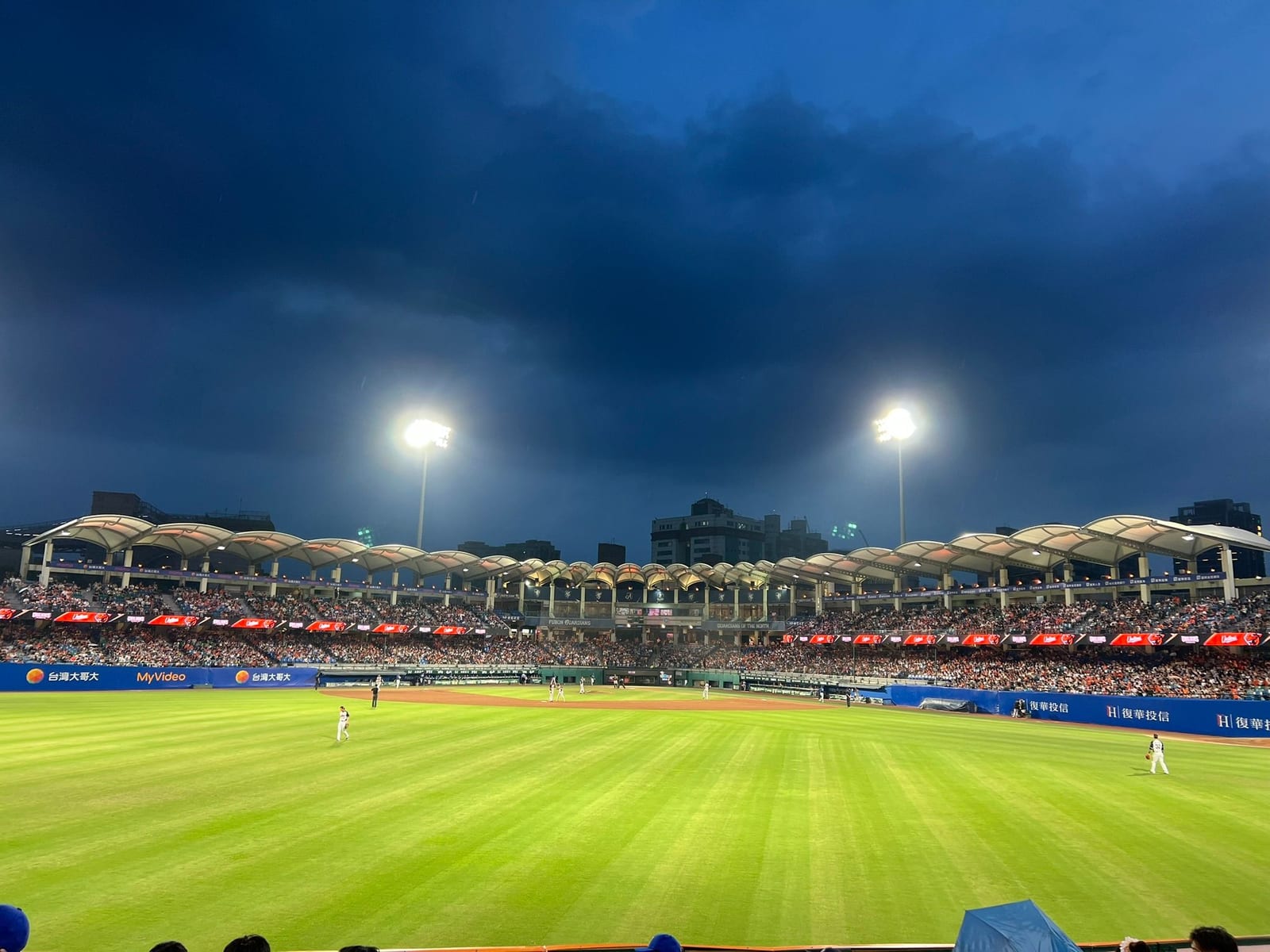
taiwanese baseball, at one of the biggest baseball stadiums in taipei, which was still quite small by US standards [A video — watch it on the Notion version of this note]
-
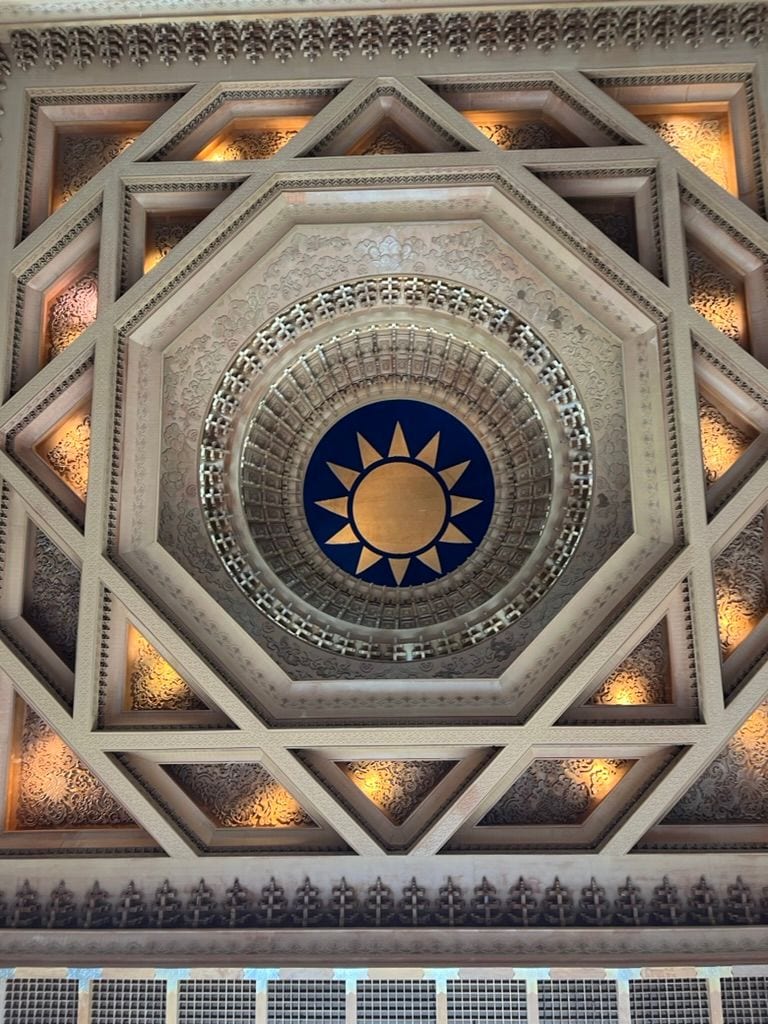
Chiang Kai-shek’s memorial is as striking as they say:
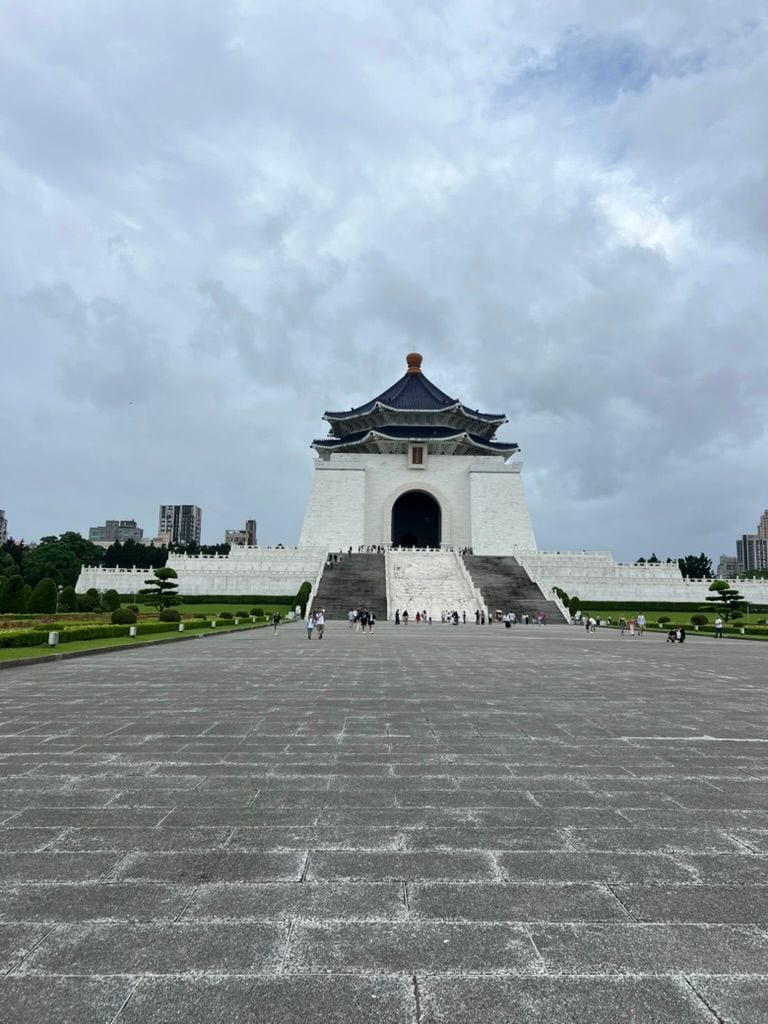
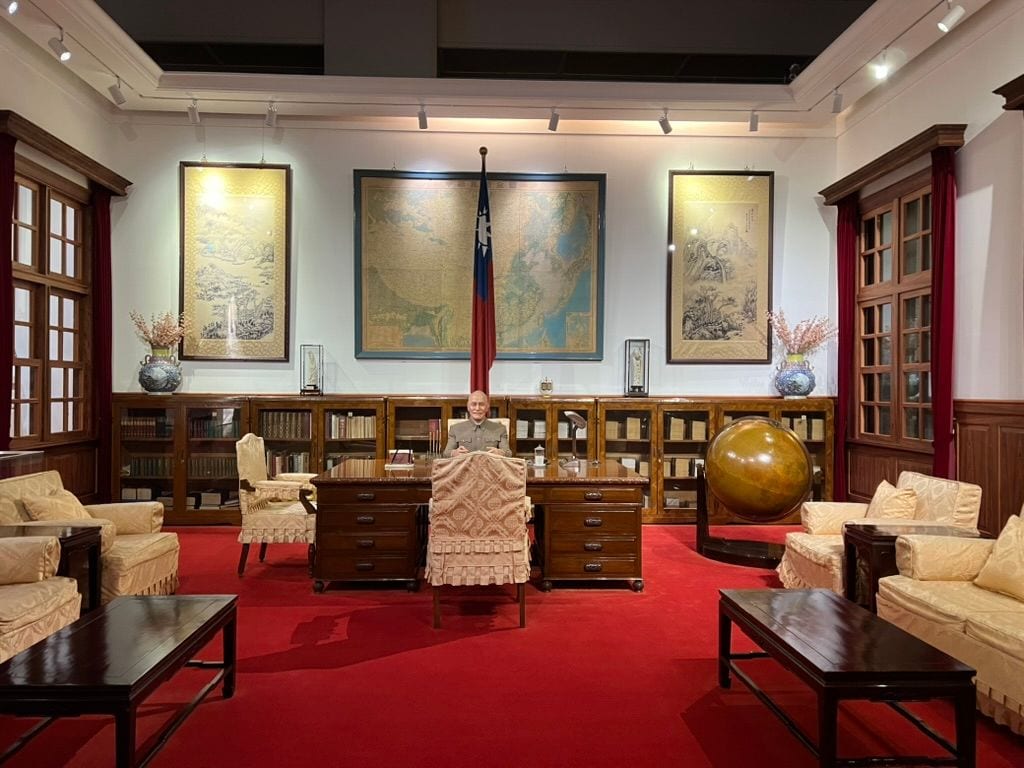
a wax statue of Chiang Kai-shek at his desk -
the Taipei airport had an obvious-in-retrospect feature for folks waiting to pick up their family/friends:
[A video — watch it on the Notion version of this note]
people could sit in the chairs, look at the screens to see if their family/friend was about to walk out, then get up and greet them as they did.
-
taiwan’s flag is beauitul.
[insert pic of taiwan’s flag]
-
i took a weekend trip to kaohsiung, in southern taiwan. there, i:
-
went hiking with monkeys, which were extremely common in the region. one of them stole my water bottle and dumped it out on the ground in front of me, which was as humiliating as it was fascinating.
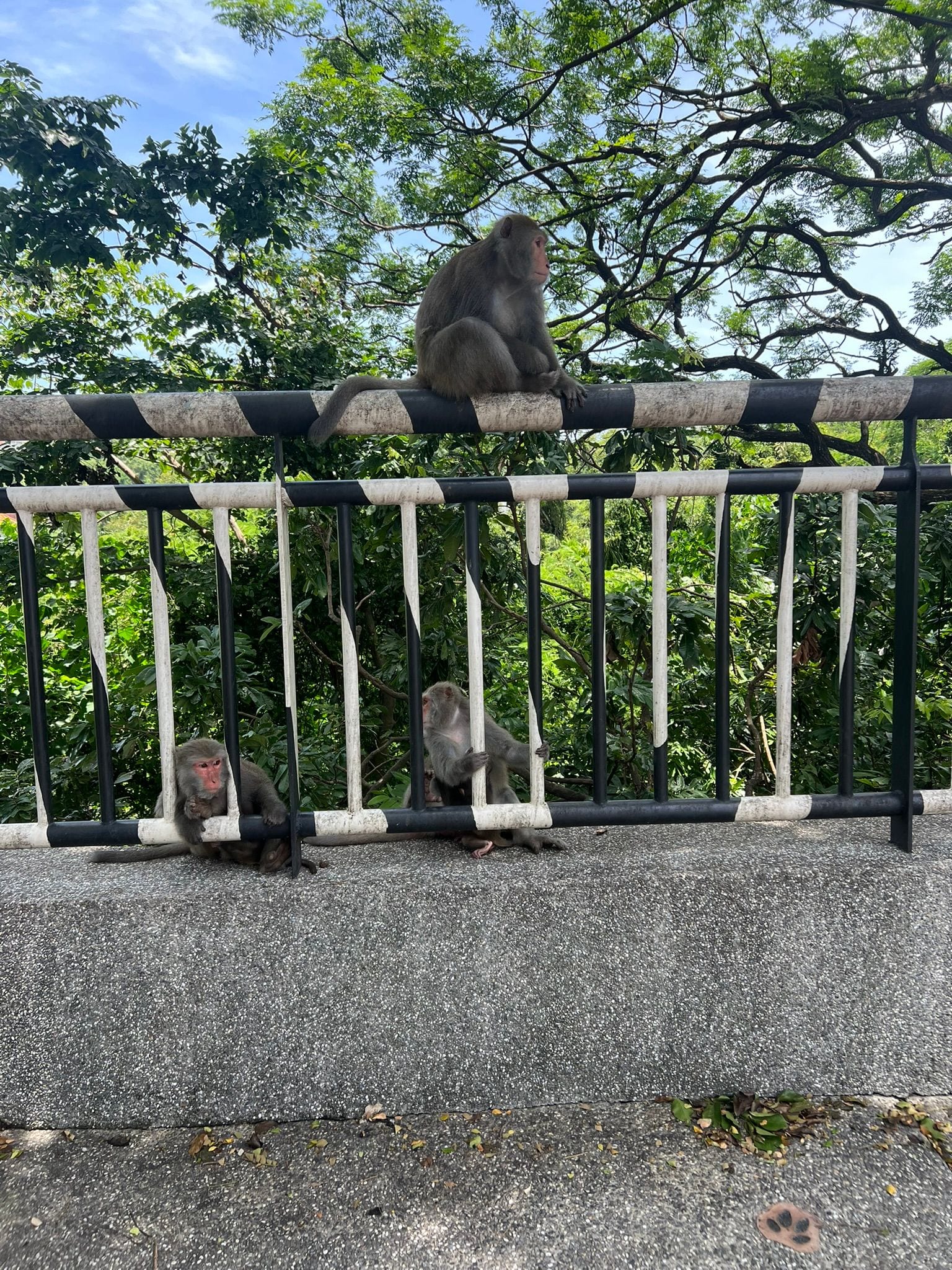
the monkeys of kaohsiung -
spent a day relaxing, mostly hanging out near the sole bar on the beach. at one point, the white DJ said, in english, “anyone wearing a bikini gets free drinks! guys, girls, anyone — just put on a bikini top and come up to the bar!” then, the white DJ, who I at this point realized was wearing a pink bikini top and military shorts himself, repeated the same phrase in fluent mandarin. (remember how I was talking about taiwan’s socially liberal attitude?)
later, i flagged down the white DJ. his name was Graham, he was 6’2”, and he was not, in fact, the DJ — he owned the bar, and was just DJing for fun. he kept dodging eye contact during our conversation, like there was something at the bar that might need his attention up at the bar. occasionally, people would come up to him, whisper something in his ear, and he’d nod, or maybe whisper something back.
Graham’s life story was fascinating.
he grew up outside of Virginia, but barely graduated high school. so he decided to joined the military, and was stationed in Germany for four years, then quit and moved to Spain. at this point, his uncle lived in Taiwan, so he decided to visit — and fell in love with the country.
he continued traveling the world, but kept going back to taiwan. eventually, he realized that none of the taiwanese knew how to build a bar like the americans did — so he built the first bar on the beach, and to this day, it’s the only bar there. it’s wildly popular, with pretty rave reviews.
…in fact, it was so popular that he started another bar, elsewhere in the city. then a nightclub. then another. in total, Graham owned four bars and nightclubs across the city.
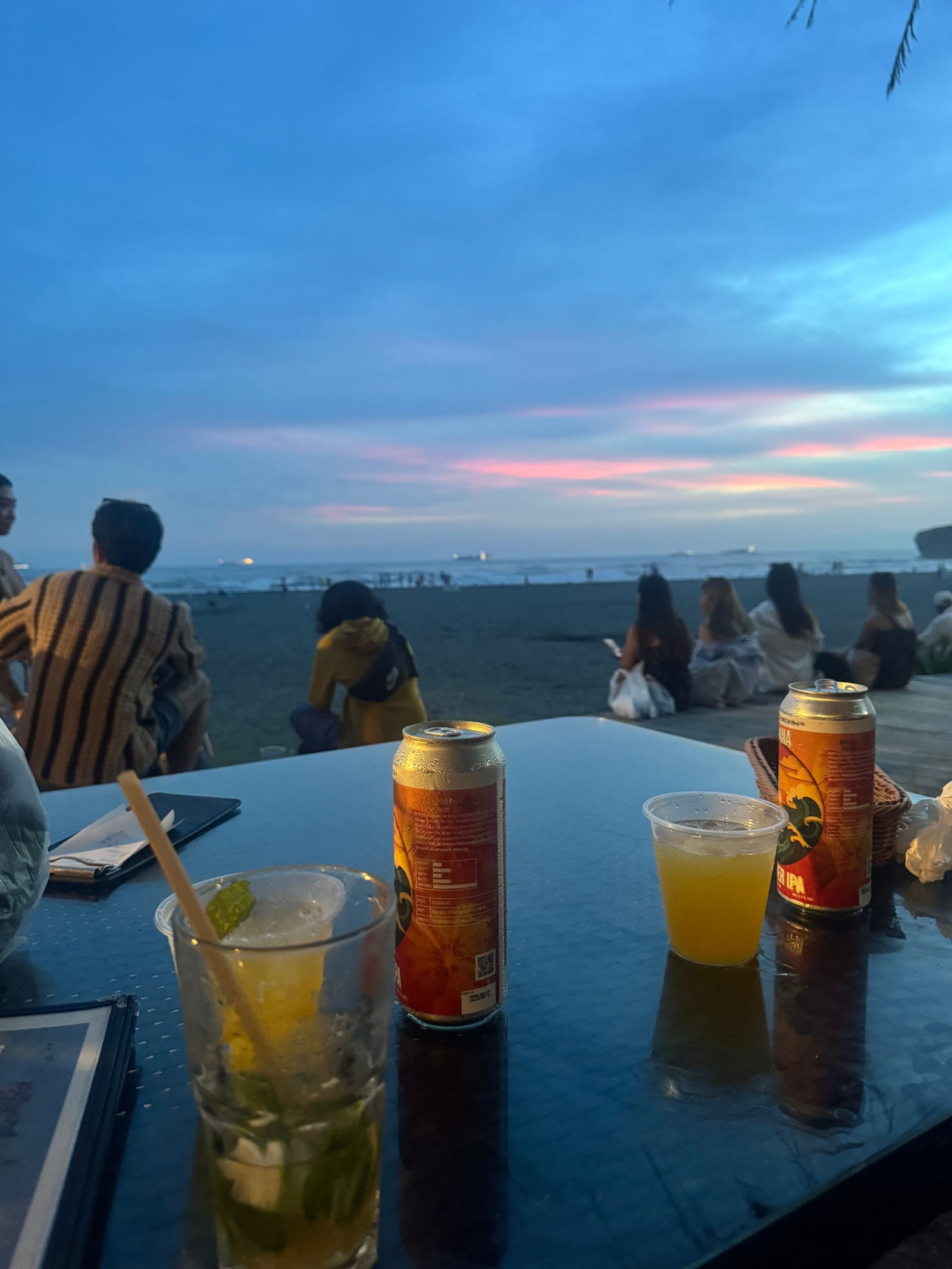
my highschool friend maile and i sharing cocktails at Graham’s bar. photo cred to maile. i chatted with a few other folks that night, and they all — unprompted! — said that their favorite nightclub in the city was Brickyard. guess who owns Brickyard?
-
found an abandoned high school, built into the steppes of a hill. on top of the high school was their playground, a set of huge structures of climbing equipment.
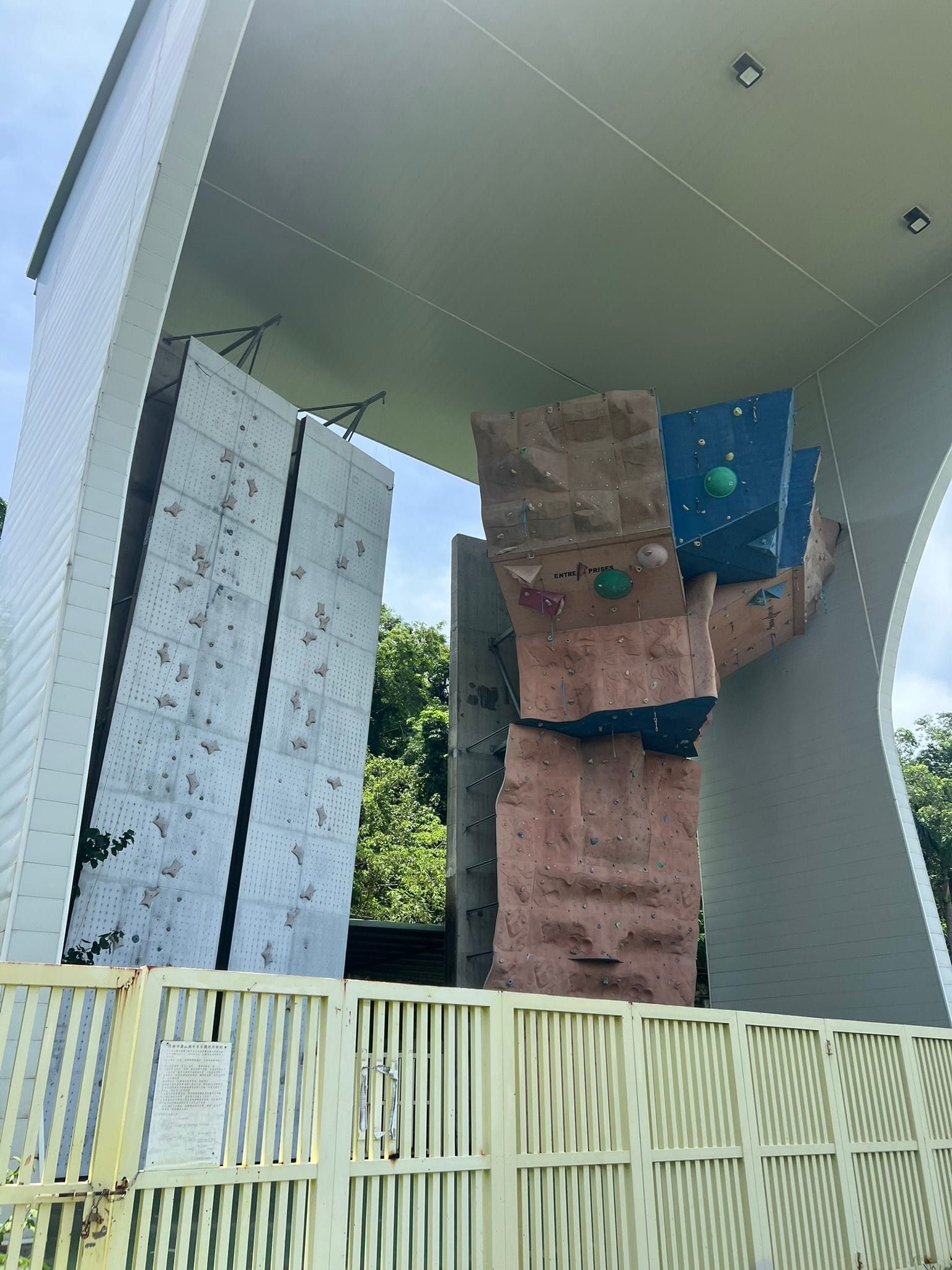
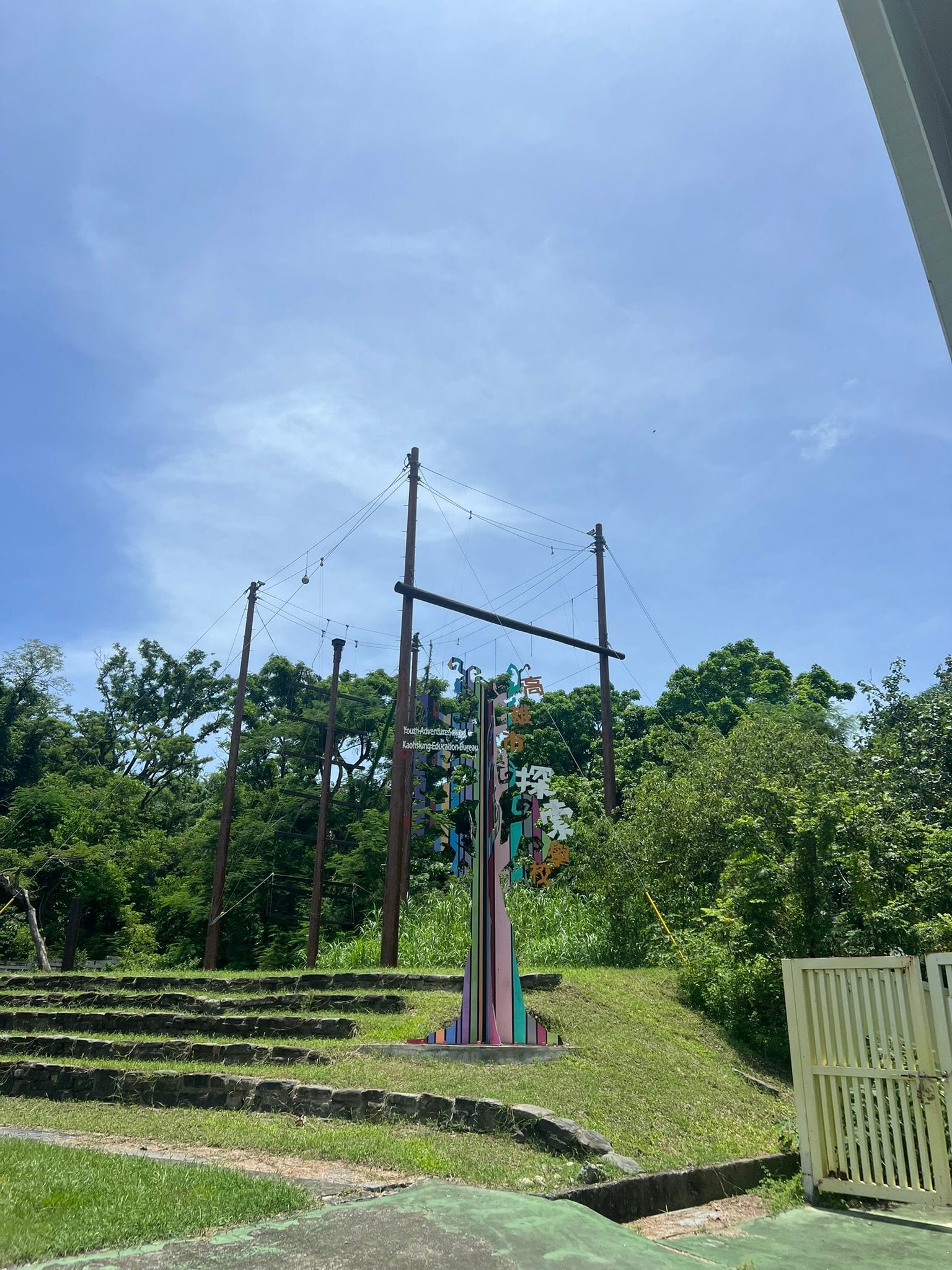
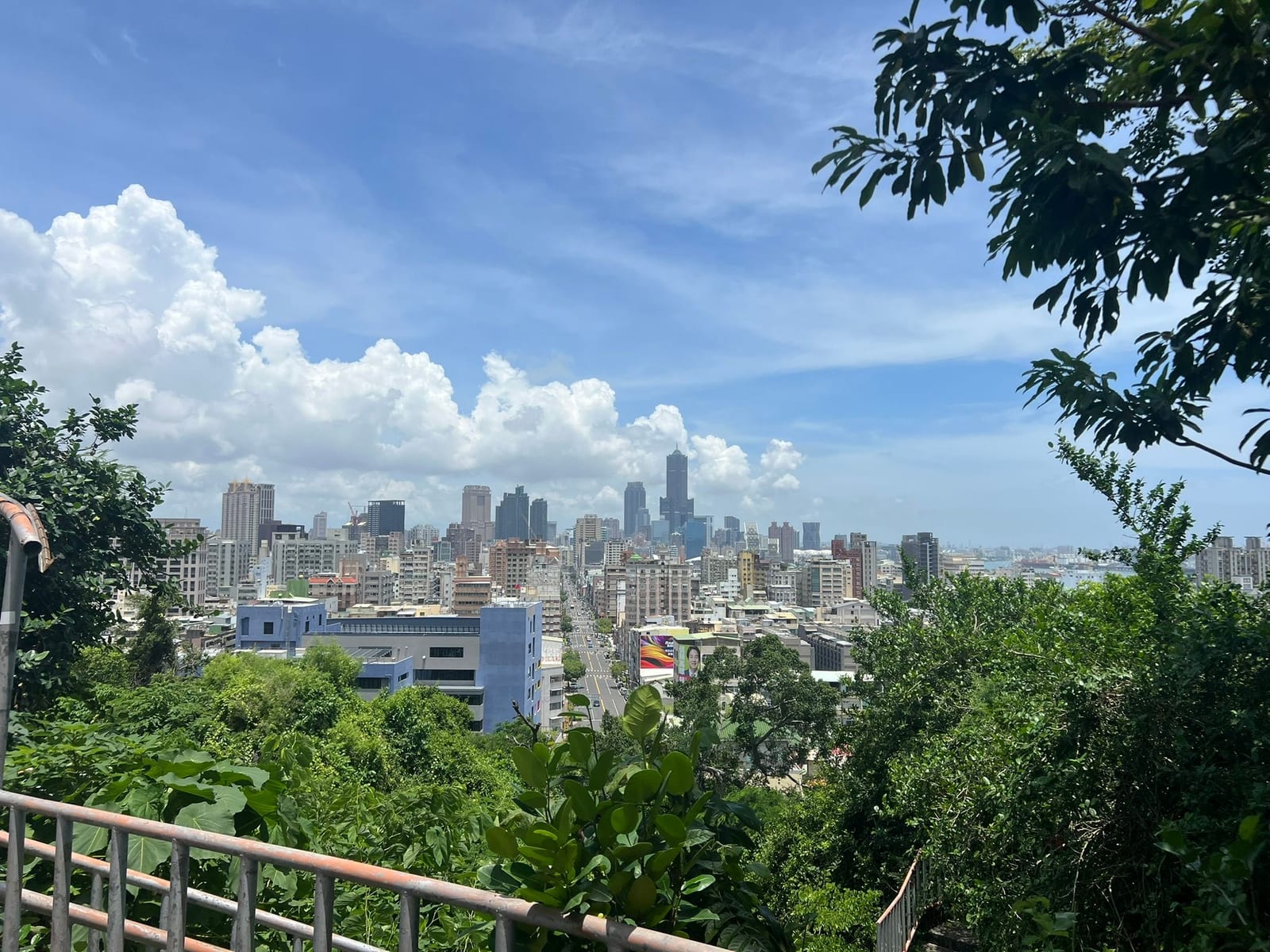
the view from the highschool -
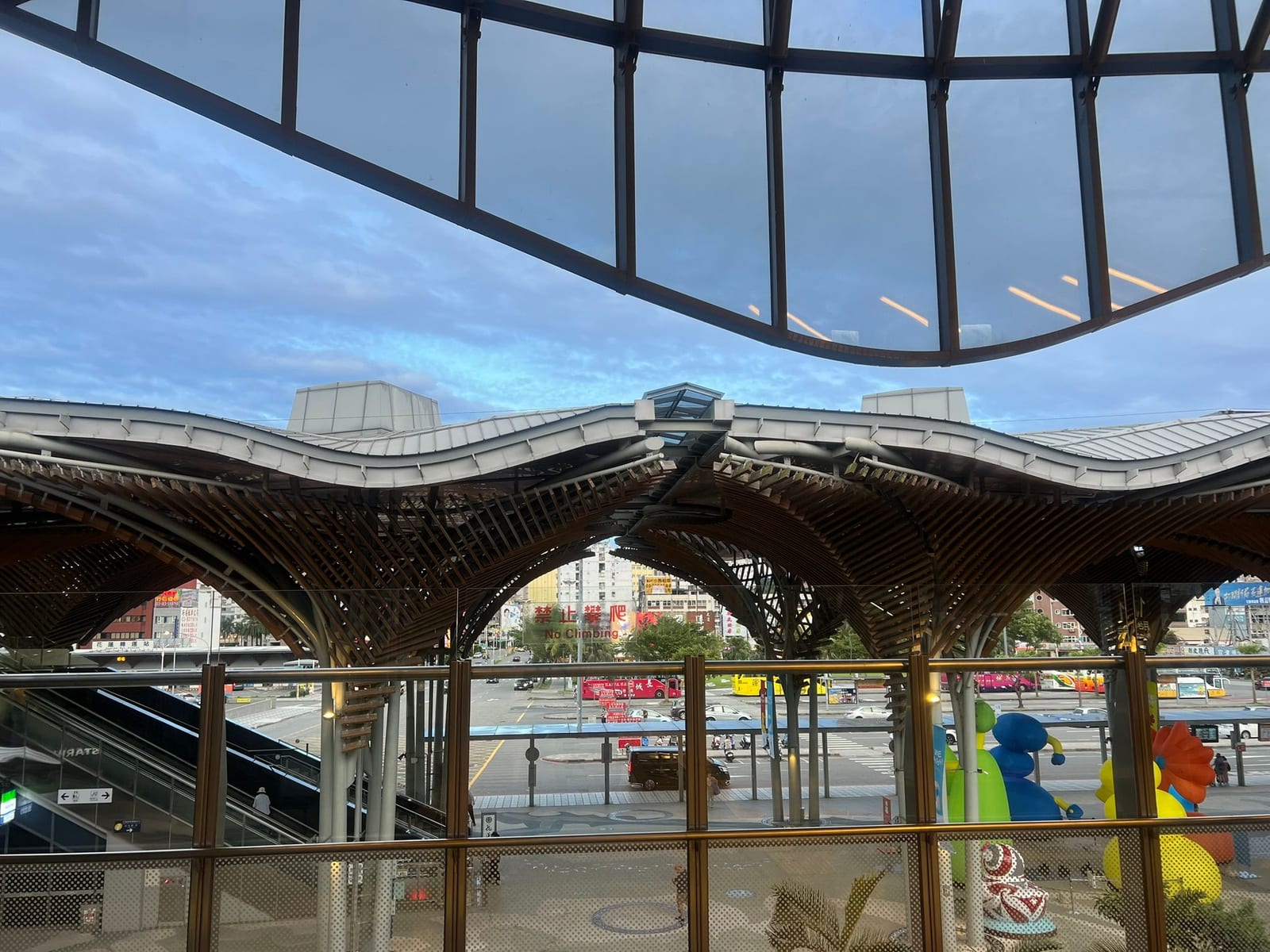
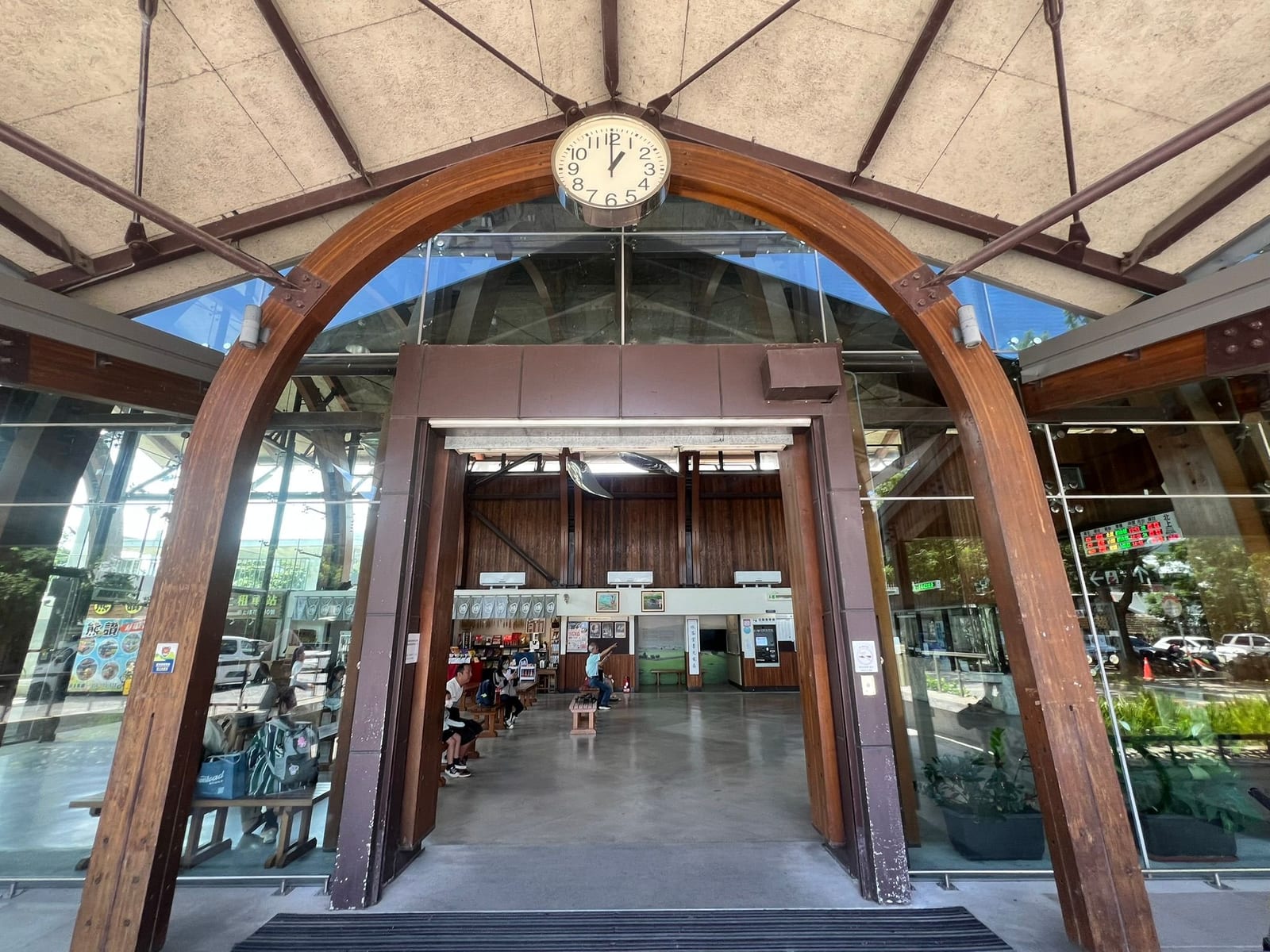
kaohsiung main station is gorgeous.
[A video — watch it on the Notion version of this note]
-
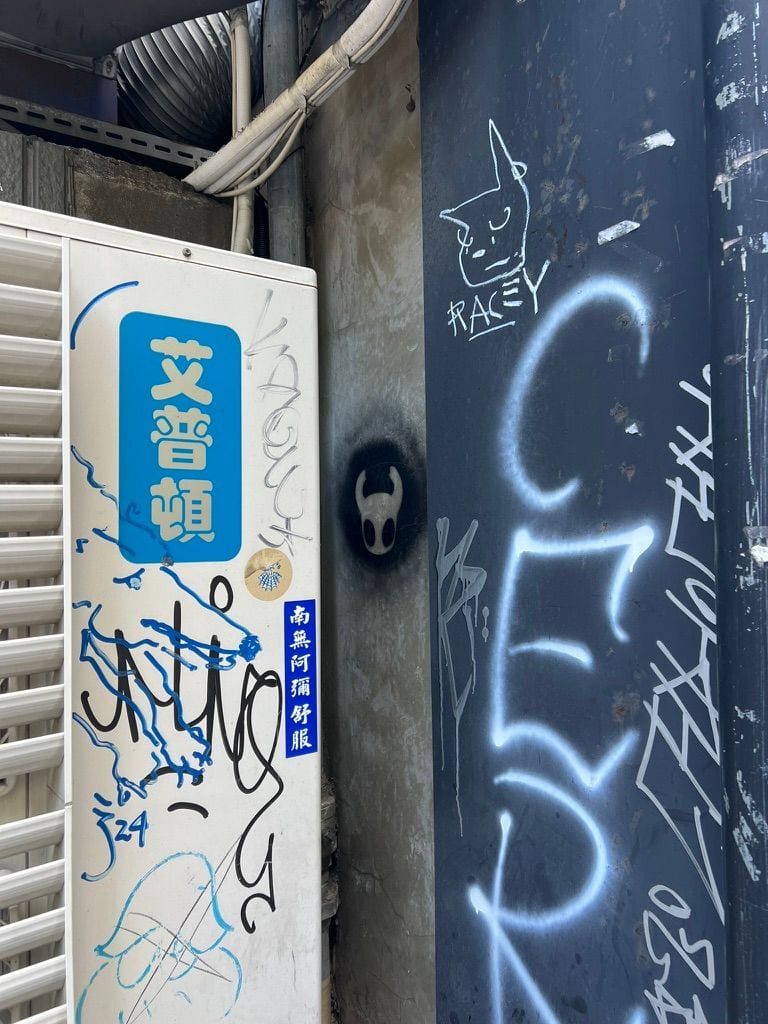
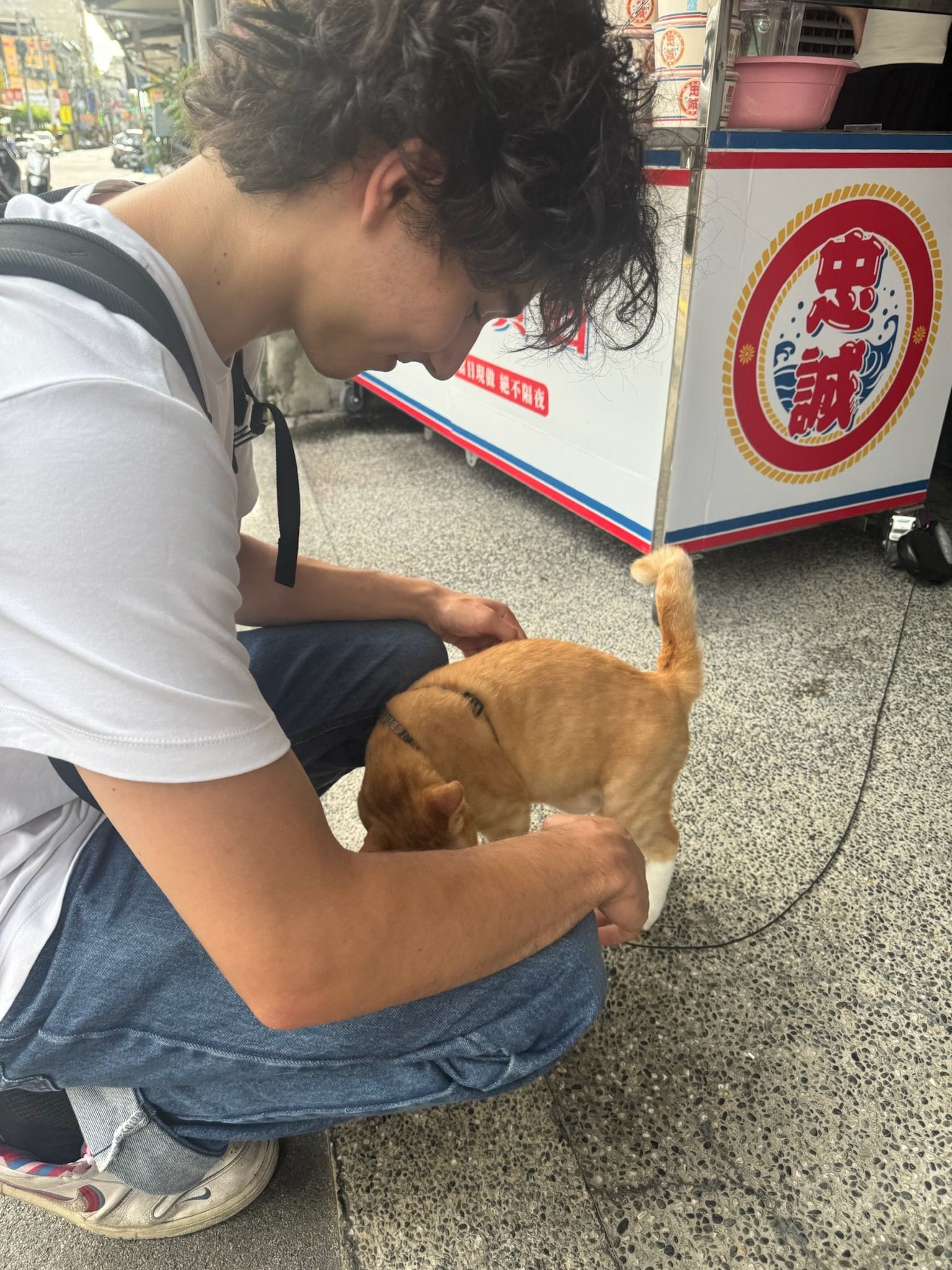
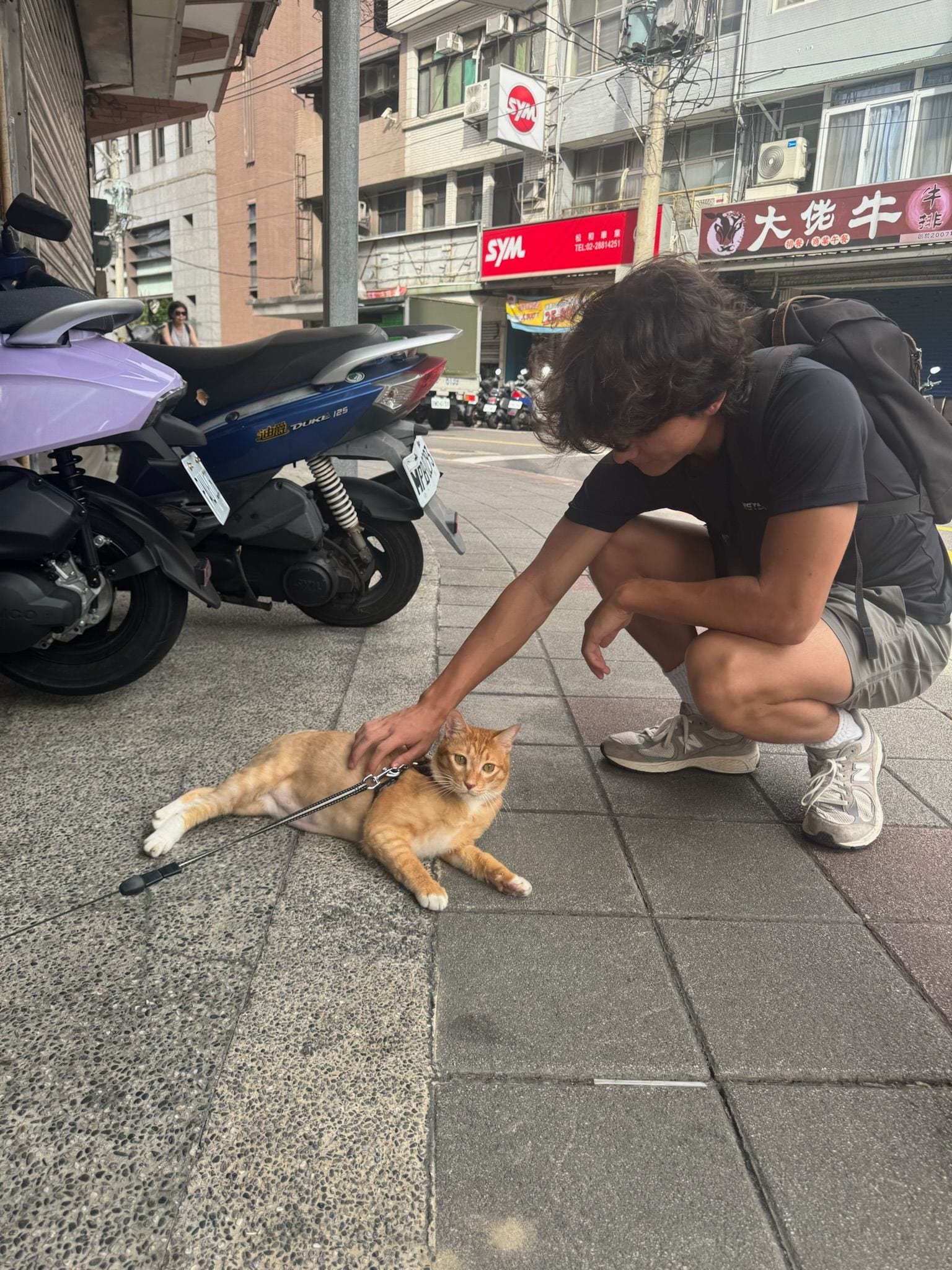
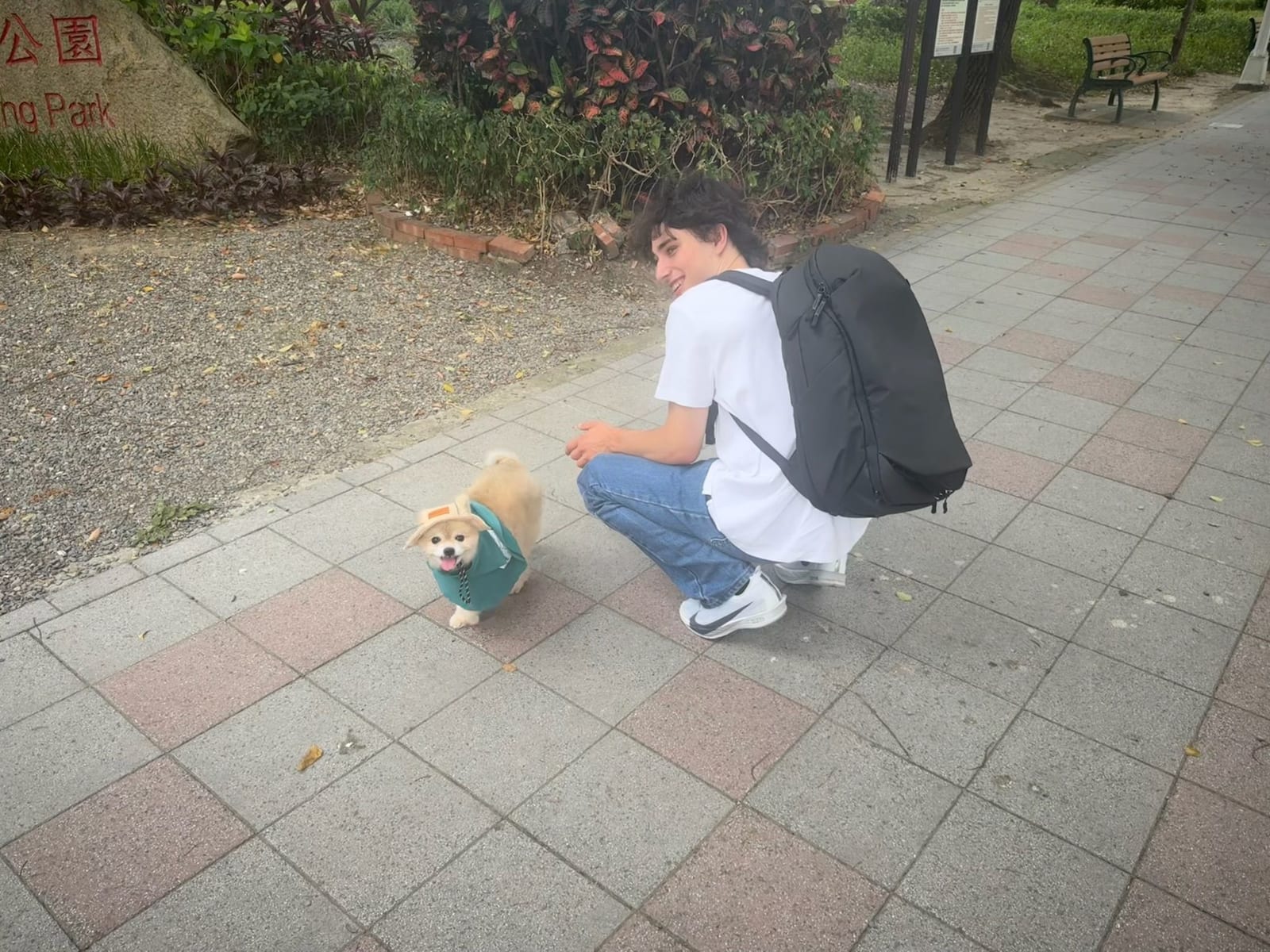
assorted pictures
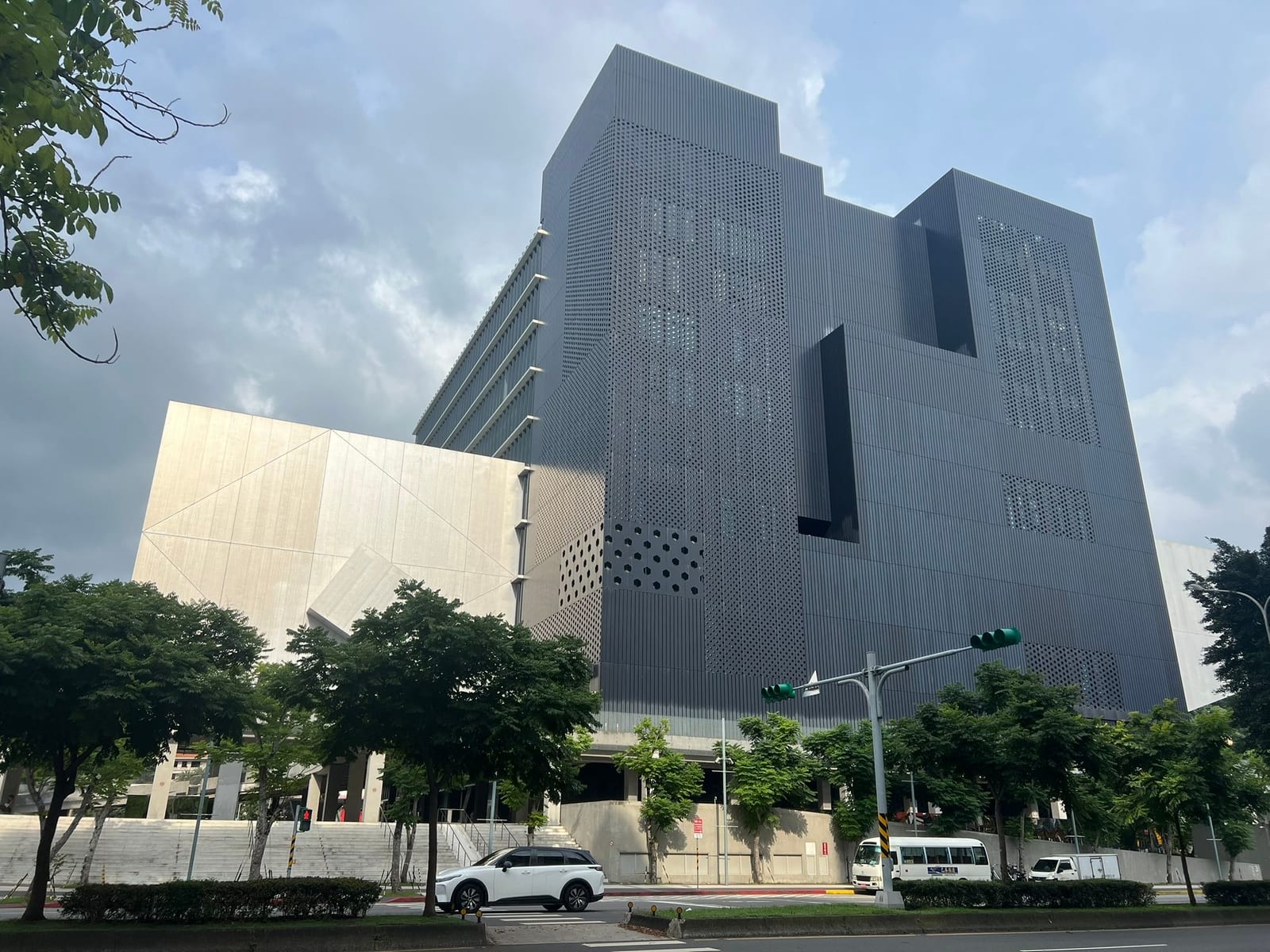
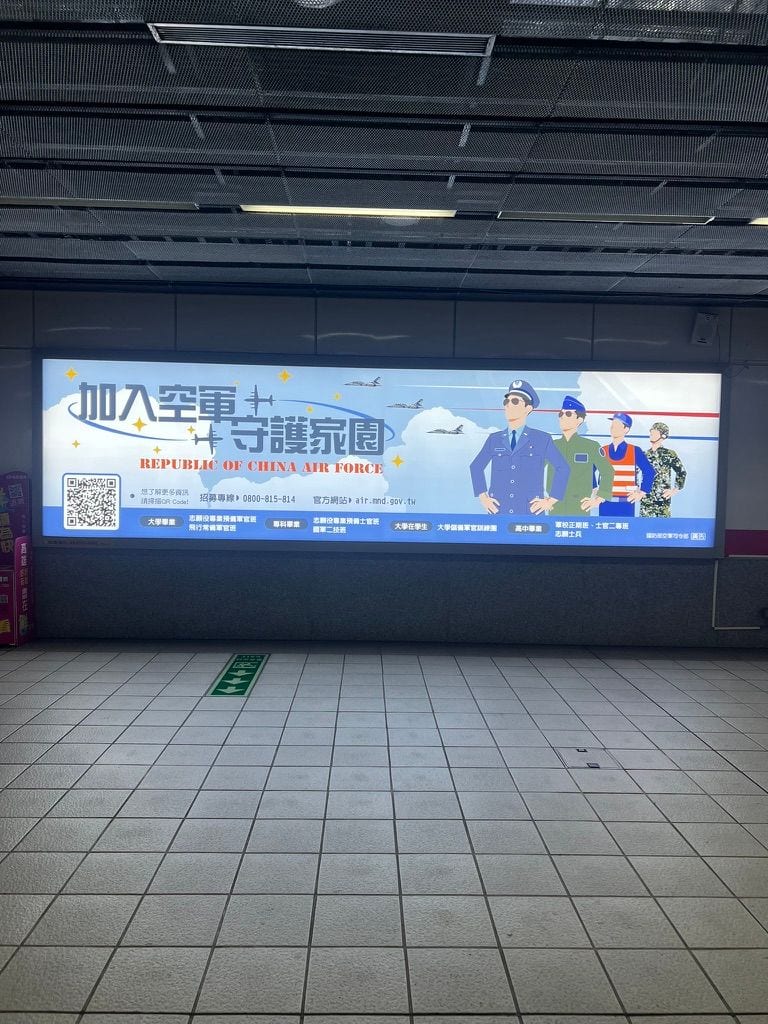
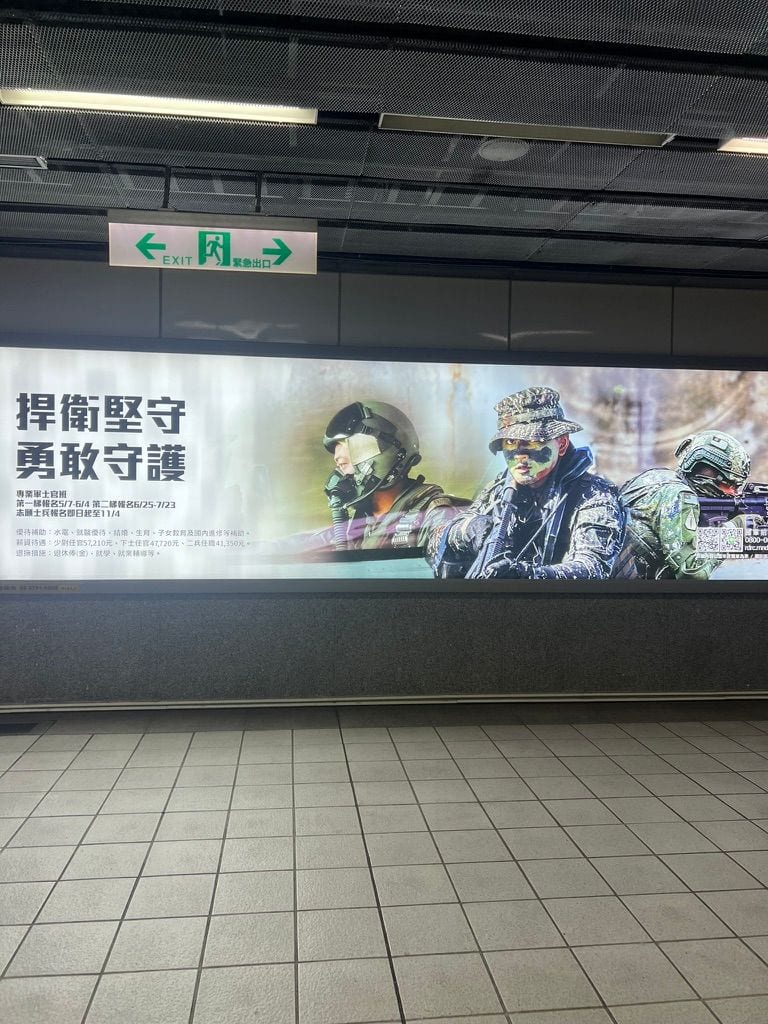
advertisements for the taiwanese military in the MRT
acknowledgements:
- thanks to chris for:
- hosting me in his hotel room
- lending me quite a bit of cash after i lost my debit card
- helping me get situated in Taipei
- a hundred other small things
- thanks to maile for:
- planning out a packed weekend trip that i could just go along with
- lending me quite a bit of cash after i lost my debit card and ran out of the cash chris lent me
- thanks to josh wilkes for taking me out to a ball game and letting me pick his brain on the geo/politics of south-east asia for an hour
- thanks to nikola for causing me to seriously think about what my redlines were for visiting taiwan given rising risk of a chinese invasion